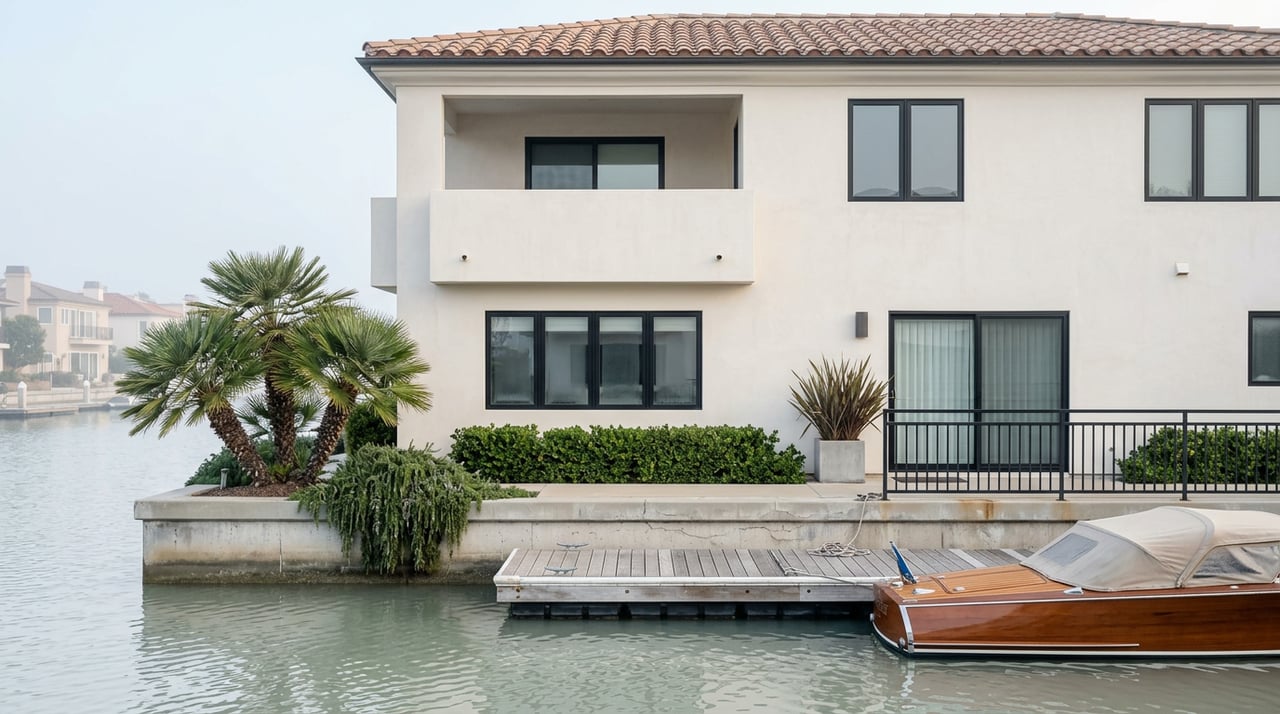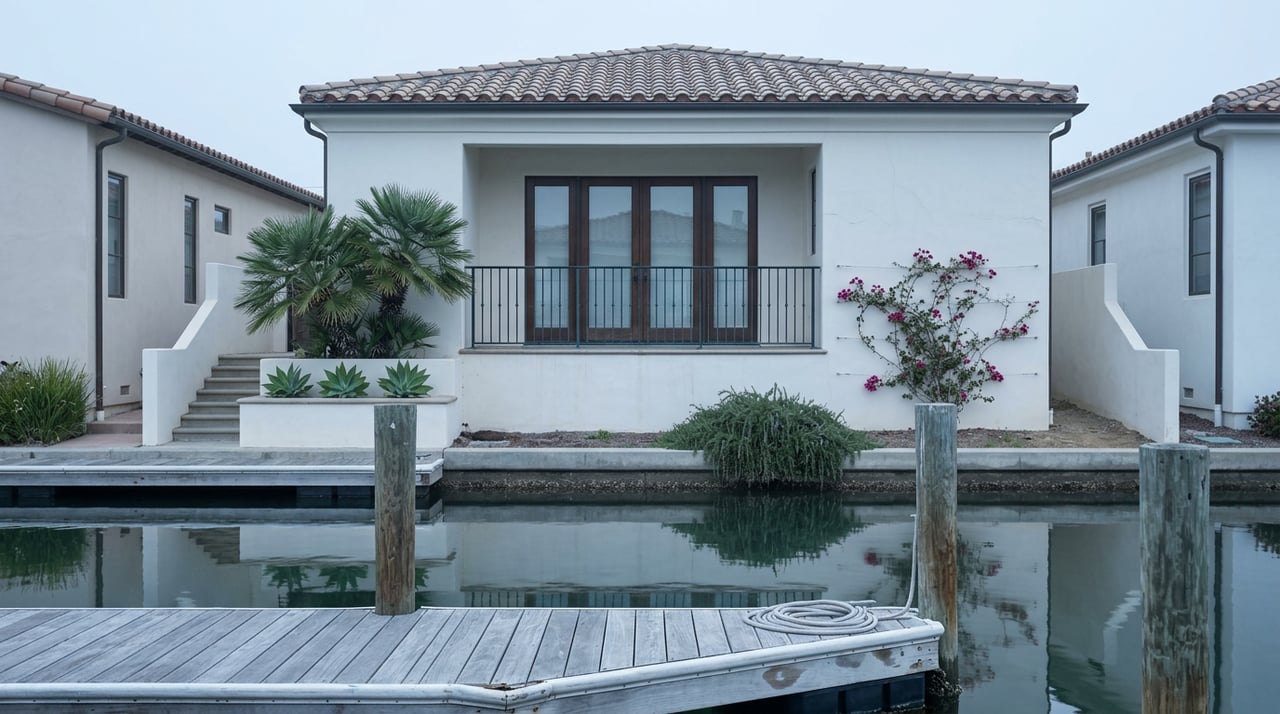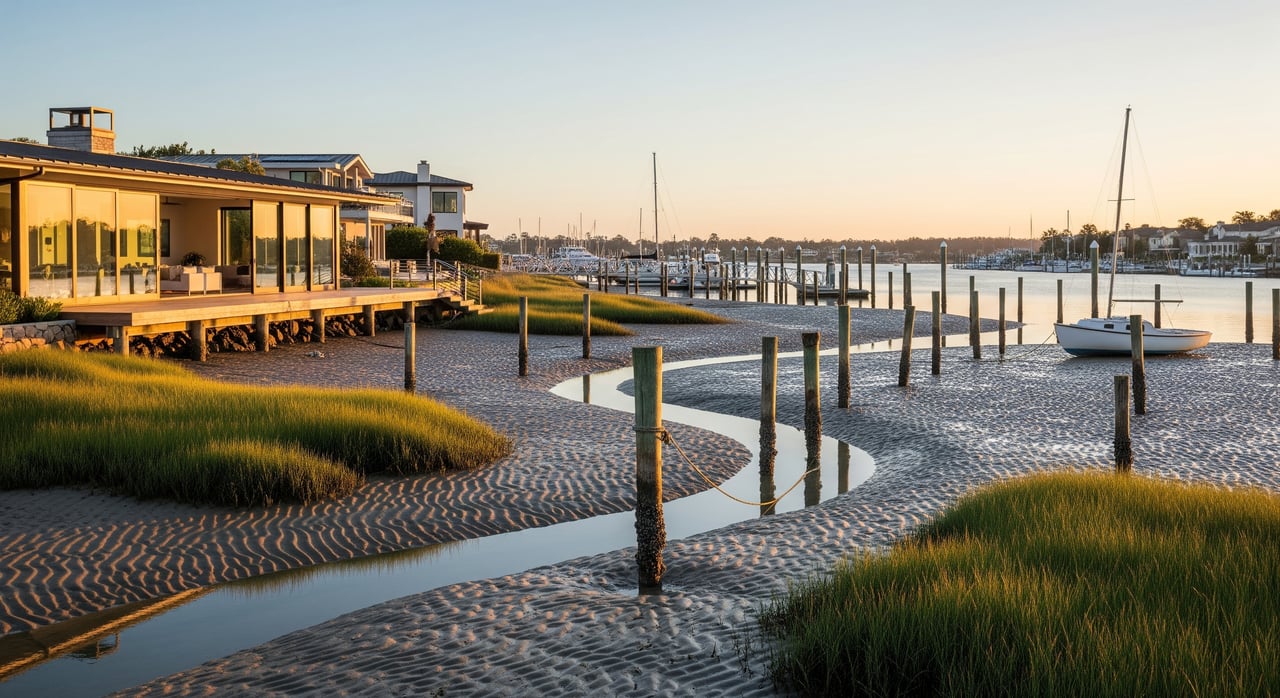
Eyeing a bayfront address in Newport Harbor? Before you fall for the view, it pays to understand tidelands and how they shape what you own, what you can build, and what it costs to maintain a waterfront lifestyle. You want clarity on docks, permits, and fees so there are no surprises after closing. This guide gives you a practical framework for Newport Harbor, from boundaries and rights to due diligence and value. Let’s dive in.
Tidelands basics in California
In California, tidelands and submerged lands are the areas between the mean high tide and mean low tide, as well as the seabed beyond. These lands are subject to the state’s public trust doctrine, which prioritizes uses like navigation, commerce, fishing, and recreation. Private use can be allowed, but only if it aligns with those public purposes.
The California State Lands Commission oversees sovereign tidelands and submerged lands. The California Coastal Commission implements coastal development rules and public access planning. Federal agencies, including the U.S. Army Corps of Engineers, regulate dredging, fill, and structures in navigable waters. In practice, tidal boundaries rely on NOAA tidal datums, such as Mean High Water.
For waterfront owners, private rights to access and reasonable dock use often exist but remain limited by public trust requirements and any conditions in state or city grants. In short, your upland parcel typically ends at or near the mean high tide line, and anything waterward lives under public trust rules.
Where the line is drawn
The mean high tide line generally marks the boundary between private upland ownership and public trust lands. Because the exact placement can affect your dock, seawall, or mooring rights, surveys and historic records matter. Small differences in how a survey marks the tidal datum can change what approvals you need and what you can do.
When you evaluate a property, plan to review recent surveys that show the mean high tide or mean high water line and the location of improvements relative to that line. Deeds, recorded grants, and prior permits are equally important to confirm how the property interacts with tidelands.
How Newport Harbor manages tidelands
In many California coastal cities, the city holds tidelands in trust from the state and manages local harbor operations. In Newport Harbor, city departments oversee permits for private docks, slips, and moorings, maintain harbor rules, and coordinate with planning and building on structures like seawalls and bulkheads.
Private docks or lifts over tidelands often require city authorization. Some docks remain under earlier permits or are treated as grandfathered until major repairs trigger current standards. Moorings and buoys are managed under separate rules from docks. Seawalls at the upland edge are typically an owner responsibility, and work affecting the waterward side often needs permits. Any dredging to maintain slip depth can require approvals from the City, State Lands Commission, Army Corps, and Coastal Commission.
Common homeowner scenarios
- Private docks and slips: Use and maintenance usually need ongoing compliance with city permits. Expansion or reconfiguration may face limits due to public trust and navigation.
- Seawalls and bulkheads: You are commonly responsible for maintenance. Repairs that touch tidelands may need multiple permits.
- Moorings and buoys: Rules for assignment, transfer, and use differ from private docks and can be more restrictive.
- Dredging: Keeping depth at a private slip can trigger a multi-agency permit process. Mitigation or public access conditions are possible.
- Historic permits: Older structures may have legacy approvals, but major damage or replacement can require a full update to current standards.
Fees and assessments to expect
You should plan for costs beyond the purchase price. Common charges in a harbor setting include:
- Permit and inspection fees: For dock, lift, or seawall work. There can be one-time and renewal fees.
- Harbor or mooring fees: For slips, moorings, and transient dockage.
- Special assessments: For harbor improvements, dredging, or maintenance. These can appear on your property tax bill or as separate invoices.
- Slip leases or licenses: If a slip is not deeded, you may hold a lease or revocable license with terms, transfer rules, and ongoing fees.
- HOA or shared-structure assessments: When docks, gangways, or ramps are co-owned, expect shared expenses.
Because fee schedules change, confirm current charges with the City and review the latest property tax bill for assessments.
Use limits and permitting risks
Public trust rules prioritize navigation, public access, and related uses. That reality creates practical limits:
- Expansion limits: Larger docks, new fill, or extended platforms may not be approved.
- Public access: Projects cannot interfere with required public uses on trust lands.
- Non-transferable amenities: Moorings or slips may not convey with the deed, or they may transfer only with agency approval.
- Loss of grandfathering: Damage or replacement can trigger today’s rules, which may be more restrictive than past permits.
Early contact with city harbor staff helps set expectations on what is realistic.
Ownership costs and insurance
Waterfront ownership comes with maintenance and risk management. You will likely face:
- Higher maintenance: Marine contractors are often needed for docks and seawalls. Costs can be significant.
- Permit compliance: Time and budget for permits should be part of any project plan.
- Insurance: Premiums for homeowners and flood coverage can be higher on the water. Insurers may require specific measures for docks and seawalls.
- Lease or license obligations: If a slip is leased or licensed, budget the fee and understand the renewal risk.
Build a multi-year plan that addresses cyclical maintenance, potential dredging, and possible assessments.
How tidelands affect value
Water access, private docks, and unobstructed views typically add value in Newport Harbor, where dock-access homes are scarce. Buyers pay for the lifestyle and convenience of stepping from the patio to the boat. At the same time, informed buyers account for future seawall work, periodic dredging, higher insurance, permit complexity, and the chance that expansions may not be approved.
Appraisers look at comparable sales with similar water access and encumbrances. Clear documentation that a slip conveys, up-to-date permits, and recent structural reports can support pricing and reduce friction in escrow.
Climate and long-term planning
Planning efforts across California anticipate sea-level rise and stronger storm surge. In a harbor context, this can lead to evolving standards for seawall height, structural design, and adaptation measures. Depth maintenance also matters. Dredging cycles can affect slip usability and may lead to periodic assessments or timing constraints for in-water work.
When you model ownership costs, include a conservative reserve for seawall updates, dock repairs, and potential adaptation expenses over time.
Due diligence checklist for buyers
Gather and review these items early in escrow. Treat the process like a commercial acquisition.
- Preliminary title report and all recorded documents: Deeds, easements, tideland grants, and any recorded leases or licenses for slips or moorings.
- Current property tax bill: Check for special assessments, including harbor-related charges.
- City and Harbor Department records: Dock permits, mooring assignments, citations, and outstanding violations tied to the property.
- Survey with tidal datum: A recent survey showing the mean high tide or mean high water line, bulkhead location, and dock relative to property lines.
- Building permits and maintenance records: For seawalls, docks, and lifts, including recent inspections or engineering.
- HOA or shared-dock agreements: Maintenance responsibilities, reserve studies, and rules for shared ramps or gangways.
- Slip or mooring documents: Lease or license terms, transferability, and renewal conditions if the slip is not deeded.
- Insurance history and quotes: Loss history and current coverage terms, including flood and any marine endorsements.
Who to contact
- Title company: To flag encumbrances, tideland grants, and any recorded conditions.
- Licensed land surveyor: To verify tidal boundaries and improvement locations.
- City of Newport Beach Harbor Department and Planning/Building: For permit history, fees, and likely approvals.
- California State Lands Commission: To confirm whether tidelands are state-held or granted to the City, and any state-level conditions.
- Coastal or structural engineer: For seawall and dock condition and replacement cost estimates.
- Real estate attorney with coastal expertise: For interpreting deed language, littoral rights, and permit risk.
- Insurance broker experienced with coastal assets: For realistic premiums and coverage limits.
Questions to ask the seller
- Does the property include a deeded slip, or is it a leased or licensed slip with transfer conditions?
- Are there recorded tideland grants, easements, or limitations that affect use?
- Who pays for bulkhead and seawall repairs, and what have recent costs been?
- Are there open harbor or coastal compliance issues?
- Are any assessments scheduled or anticipated for dredging or harbor improvements?
- Were all dock and lift improvements permitted, and are permits current?
- Is the property in a mapped flood zone, and are there elevation or construction requirements?
Timing and budget tips
- Build longer diligence periods: Waterfront files are more complex and often require agency responses.
- Include contingencies: Verification of slip rights, permit status, and marine repair estimates should be explicit.
- Plan for near-term work: Many buyers discover immediate seawall or dock items after inspection.
- Model ongoing costs: Include insurance, periodic assessments, and permit-related expenses in your annual budget.
The bottom line
Tidelands shape what you own, how you can use your dock, and what it costs to maintain a bayfront home in Newport Harbor. When you confirm boundaries, permits, and financial obligations upfront, you protect your lifestyle and your investment. If you want a discreet, expert look at a specific address, connect with Steve High & Evan Corkett for a confidential consultation focused on your goals.
FAQs
What are tidelands and why do they matter in Newport Harbor?
- Tidelands are state-trust lands between mean high and mean low tide, and they affect dock permits, use rights, and maintenance obligations for bayfront homes.
How do I confirm if a dock conveys with the home?
- Review the title report and recorded documents, then verify with the City and Harbor Department whether the slip is deeded or held by lease or license with transfer rules.
Who maintains the seawall or bulkhead at a bayfront property?
- Upland owners are commonly responsible for seawall and bulkhead maintenance, and work that affects tidelands may need permits from the City and other agencies.
Do I need permits to repair or replace a dock in Newport Harbor?
- Yes, dock work typically needs City authorization and may also require approvals from state or federal agencies depending on scope and location.
How can tidelands affect my renovation plans?
- Expansion, fill, or larger structures can be restricted by public trust rules, and older “grandfathered” improvements may have to meet current standards after major work.
Will sea-level rise change my rights or costs as an owner?
- Evolving standards can increase seawall and dock requirements over time, and dredging or adaptation needs may lead to future assessments and project costs.