Torn between a tranquil canal and a sweeping bayfront on Balboa Island? You are not alone. Each side delivers a distinct way of living on the water, from boating and views to privacy and upkeep. In this guide, you will learn the real differences, the costs and care that come with ownership, and how to choose based on what matters most to you. Let’s dive in.
Balboa Island waterfront options
Balboa Island sits within Newport Harbor and is known for its walkability, boating culture, and tight-knit waterfront streets. Homes face either the wider harbor on the bayfront or the interior waterways on the canalfront. Marine Avenue and the Ferry Landing draw steady visitors, which shapes foot traffic and noise levels near those corridors.
How parcels differ
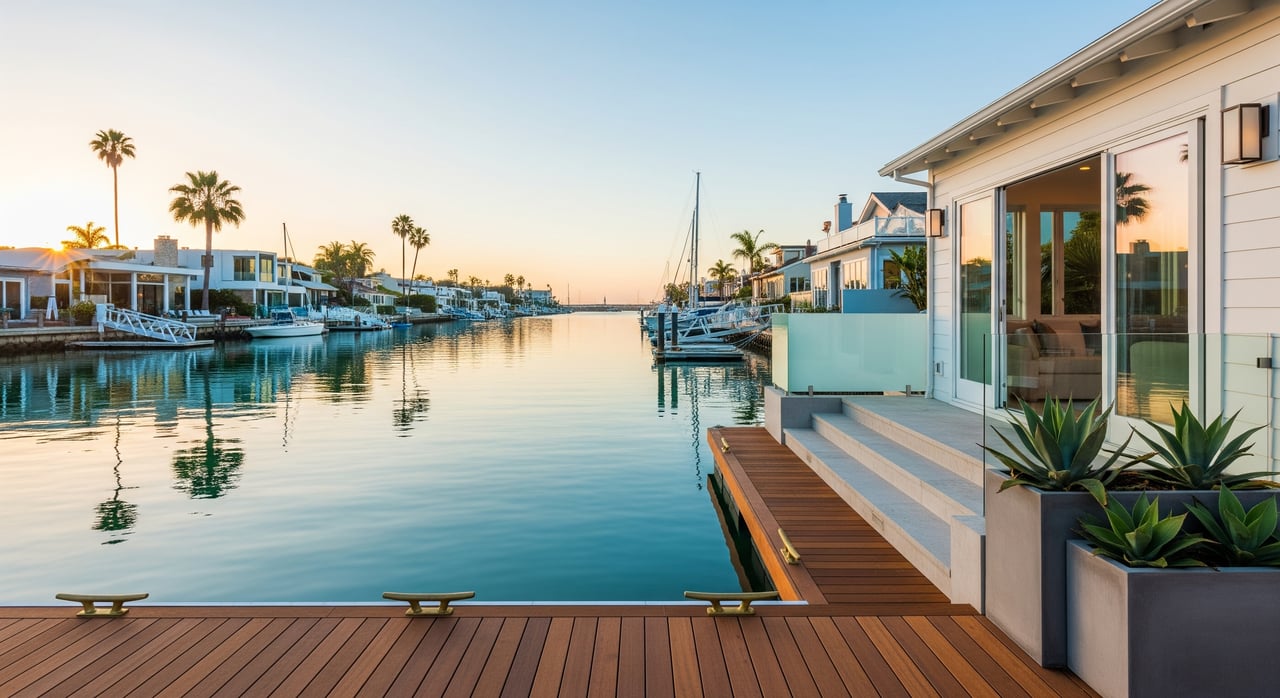
- Bayfront homes front the harbor and main channels with longer sightlines and direct exposure to breezes and sunlight.
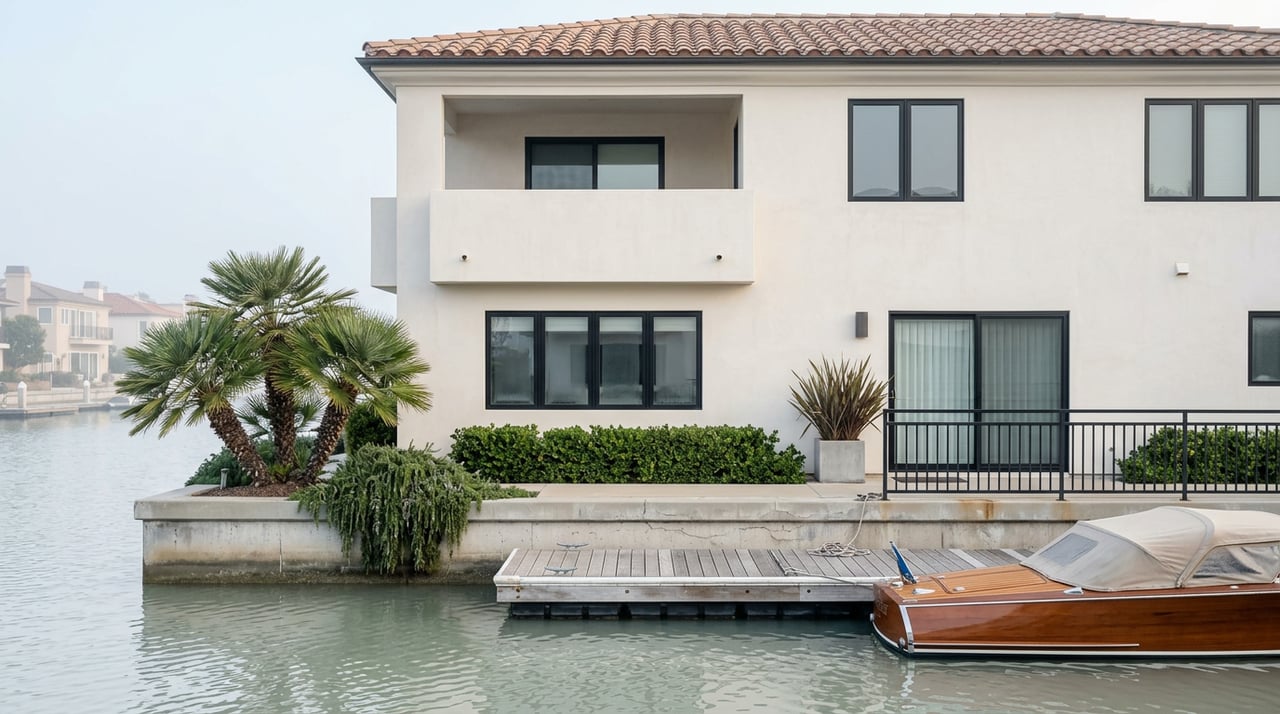
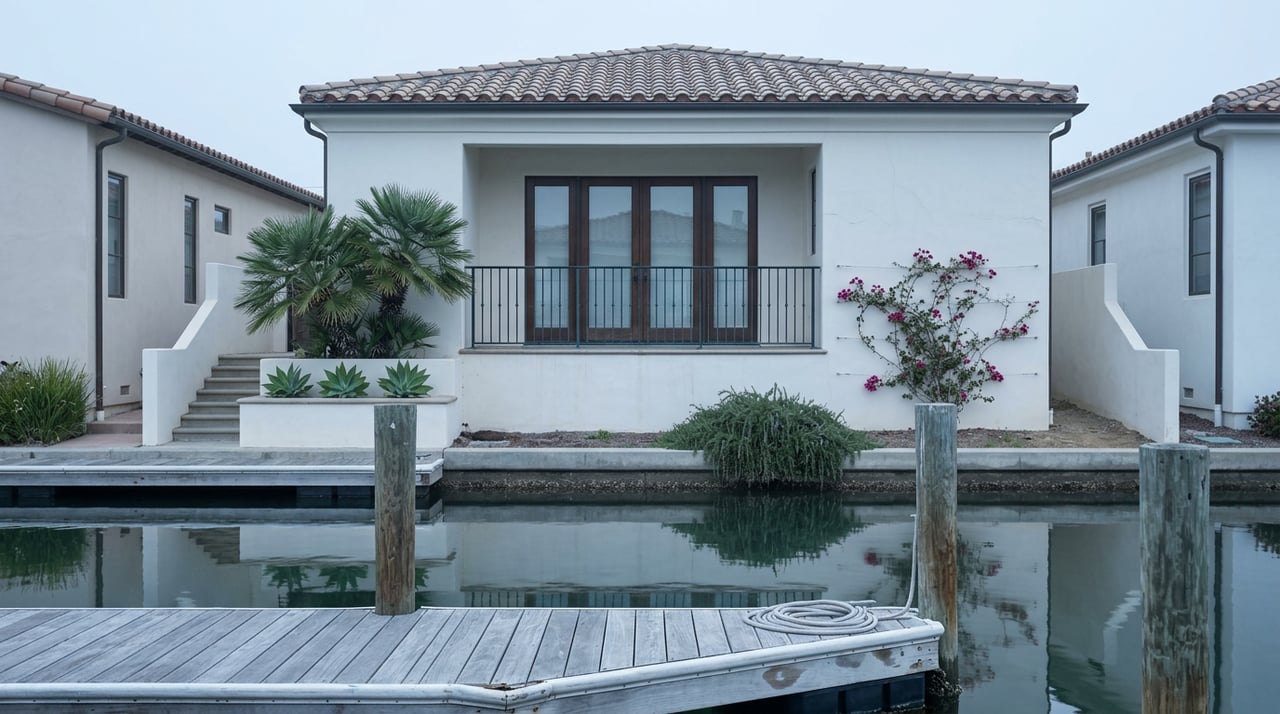
- Canalfront homes face narrower, sheltered canals with a more intimate residential feel and nearby docks.
Views and sunlight
Bayfront properties typically deliver panoramic harbor and channel views. You get broad water vistas and more consistent sunlight since neighboring structures are less likely to block exposure. Canalfront homes offer close-up water scenery, neighboring docks, and a calmer visual experience. The canals are often more shaded, which can be welcome on warm days but reduces all-day sun.
Boating and docks
Bayfront dock capacity
If you prioritize larger boats, bayfront is the natural fit. Docks here are often designed for deeper water and easier navigation to the main harbor and ocean. Many support lifts and accommodate longer hulls or higher drafts.
Canal dock realities
Canalfront docks are typically smaller and better suited to dinghies, runabouts, or personal watercraft. Depths can vary by canal, and some locations may limit the length or draft of your boat. The protected water is a plus for tender storage, paddlecraft, and easy boarding.
Depth and dredging checks
Some canals depend on periodic dredging. Before you buy, verify depth at the dock during typical tides and ask for recent dredging history. Confirm whether the current setup supports your boat’s length, beam, draft, and lift needs.
Privacy, noise, and foot traffic
Bayfront homes can experience more activity due to harbor traffic and waterfront promenades, especially near ferry routes and public walkways. Expect more visibility from passing boats and pedestrians. Canalfront homes are generally quieter from a navigation standpoint, with neighborhood boat traffic and occasional walkers where paths run along the canals. If you prefer less exposure, look for canal locations set back from the busiest promenades while keeping an eye on proximity to Marine Avenue for easy dining and shopping.
Ownership and maintenance
Seawalls and docks
As a waterfront owner, you are typically responsible for your private dock, pilings, lifts, and the condition of your seawall. Seawall health is a major line item. Plan for inspections by qualified marine professionals and factor in permitting timelines for repair or replacement.
Flood and insurance
Waterfront property comes with coastal flood and storm surge considerations. Review flood zone designations and elevation details early. Obtain flood and coastal insurance quotes during your contingency period. Carriers assess elevation, prior claims, and proximity to open water, which can affect cost and availability.
Permits, easements, and rules
Confirm permitted dock size, boat and lift types, and any view or public access easements that affect your use. Some areas include community rules that impact exterior work, dock configurations, or rental practices. Request all relevant documents before releasing contingencies.
Market value and resale
Pricing dynamics and buyer fit
Bayfront homes often command a premium for wider views, larger docks, and the prestige of unobstructed harbor frontage. Canalfront homes tend to offer a relative value for buyers who want the waterfront lifestyle with a neighborhood feel and sheltered waters, often at a lower entry point per parcel.
Liquidity and comparables
Balboa Island is a small, specialized market. Sales can be infrequent, and each parcel is unique. Dock capacity, seawall condition, parcel orientation, and view protections weigh heavily on value. Expect appraisals and buyer interest to hinge on functional dock utility as much as finishes.
Listing focus if selling
- For canal homes, highlight privacy, walkability, and safe, calm water for paddlecraft.
- For bayfront homes, showcase panoramic vistas, entertaining areas, and large-boat access.
- In both cases, document dock specs, dredging context, and seawall condition. Clear, credentialed marine reports can bolster buyer confidence.
Practical living considerations
Plan for parking and guest access, especially on weekends and during seasonal events. Factor in deliveries, service access for marine contractors, and how foot traffic near Marine Avenue and the Ferry Landing changes by season. If you prize convenience, proximity to amenities is a benefit. If you want a quieter setting, balance convenience with a side street or interior canal.
Quick decision guide
Choose bayfront if you:
- Want panoramic harbor views and more sunlight.
- Need deeper water and a larger, more capable dock.
- Prefer prestige and a front-row seat to harbor activity.
Choose canalfront if you:
- Want a quieter, more intimate waterfront setting.
- Plan to use smaller boats, tenders, or paddlecraft.
- Value sheltered water and a residential feel at a relative value.
Buyer due diligence checklist
- Property and permits: Obtain dock, seawall, and major-improvement permits; check for open violations and any easements or encroachments.
- Marine inspections: Hire a marine engineer for the seawall; inspect pilings, lifts, and dock utilities for condition and capacity.
- Home systems: Complete standard inspections with attention to salt air, moisture intrusion, HVAC, and exterior finishes.
- Flood and insurance: Secure elevation details and written quotes for flood and coastal coverage, including deductibles and exclusions.
- Harbor checks: Confirm depth at the dock, dredging history, and that your boat’s length, beam, and draft fit within current rules.
- Living logistics: Evaluate parking, deliveries, and event-season access and noise.
- Valuation: Request tailored comparables that account for dock utility, view corridors, orientation, and seawall condition.
Next steps
Balboa Island offers two compelling waterfront experiences. Your choice comes down to how you live on the water: the scale of your boating, your view priorities, and your tolerance for activity versus privacy. If you want a tailored look at specific parcels, dock capacities, and ownership details, we can guide you through a private, data-driven comparison and coordinate the right inspections early.
Ready to explore the right side of the island for you? Connect with Steve High & Evan Corkett for a confidential consultation.
FAQs
What is the main difference between canalfront and bayfront homes on Balboa Island?
- Bayfront faces the wider harbor with panoramic views and larger-boat access. Canalfront faces sheltered interior waterways with intimate views and typically smaller docks.
How do dock sizes and water depth vary between canal and bayfront properties?
- Bayfront docks often support larger vessels in deeper water with easier navigation. Canal docks are usually smaller, and canal depths vary, which can limit boat size and draft.
Are bayfront homes noisier than canalfront homes on Balboa Island?
- Bayfront locations can experience more activity from harbor traffic and waterfront promenades. Canalfront homes are generally quieter, with local boat use and occasional foot traffic.
What inspections should I order before buying a Balboa Island waterfront home?
- Arrange a marine engineer seawall inspection, dock and piling assessment, standard home inspections focused on salt exposure, and confirm harbor depth and dredging history.
How do insurance and flood considerations affect Balboa Island waterfront ownership?
- Coastal and flood insurance may be required and vary by elevation, claims history, and proximity to open water. Obtain quotes early to understand costs and terms.
Do community rules or permits impact dock use and exterior changes?
- Yes. Verify permitted dock dimensions, lift types, and any HOA or local rules that affect exterior work, rentals, or view and public access easements before closing.