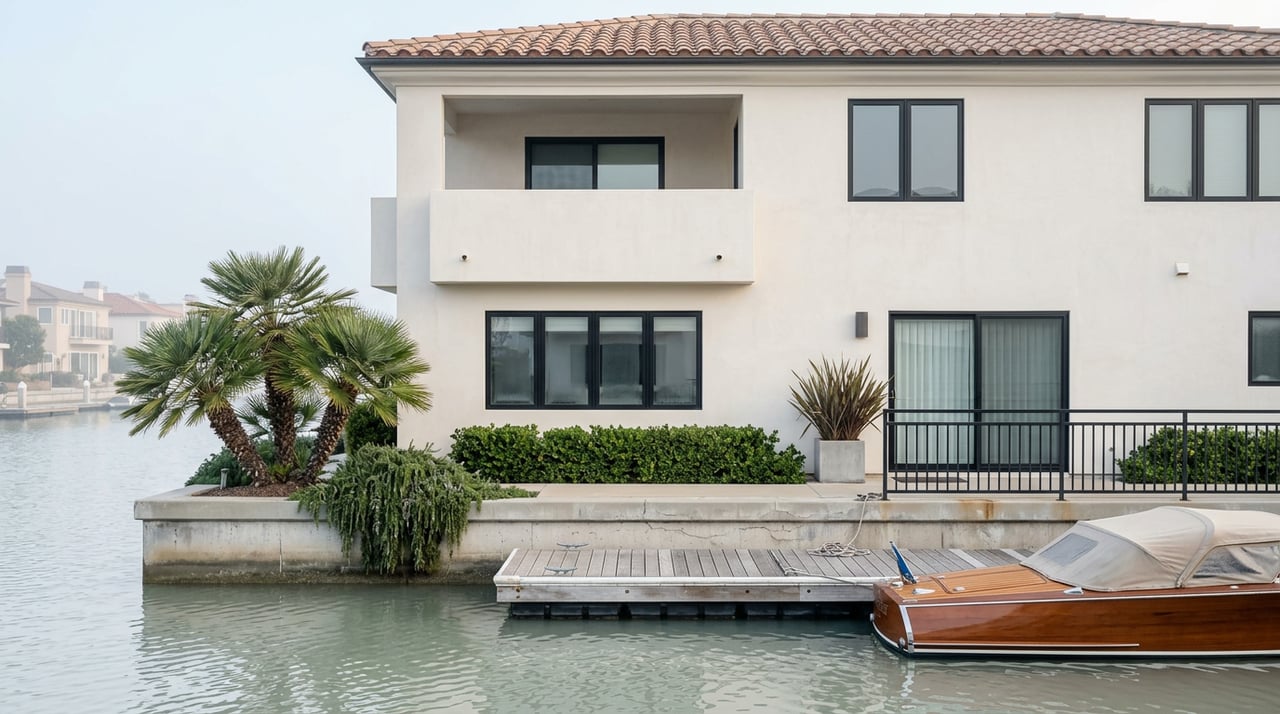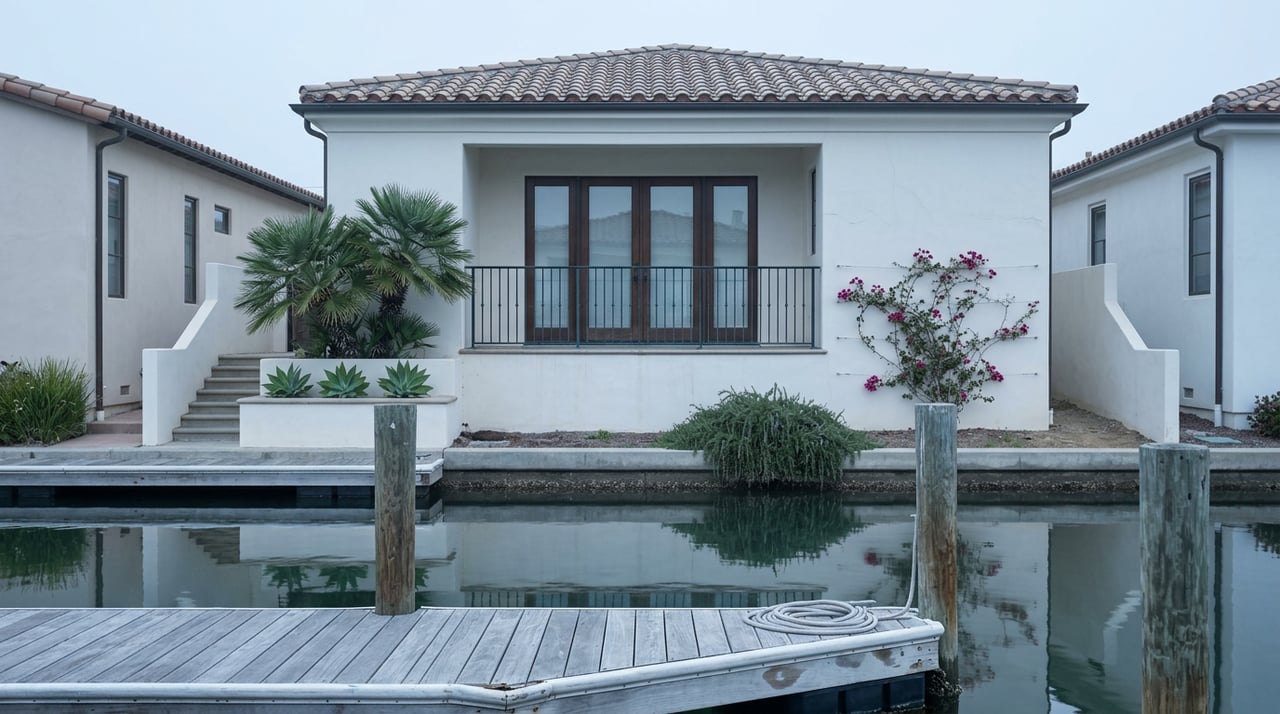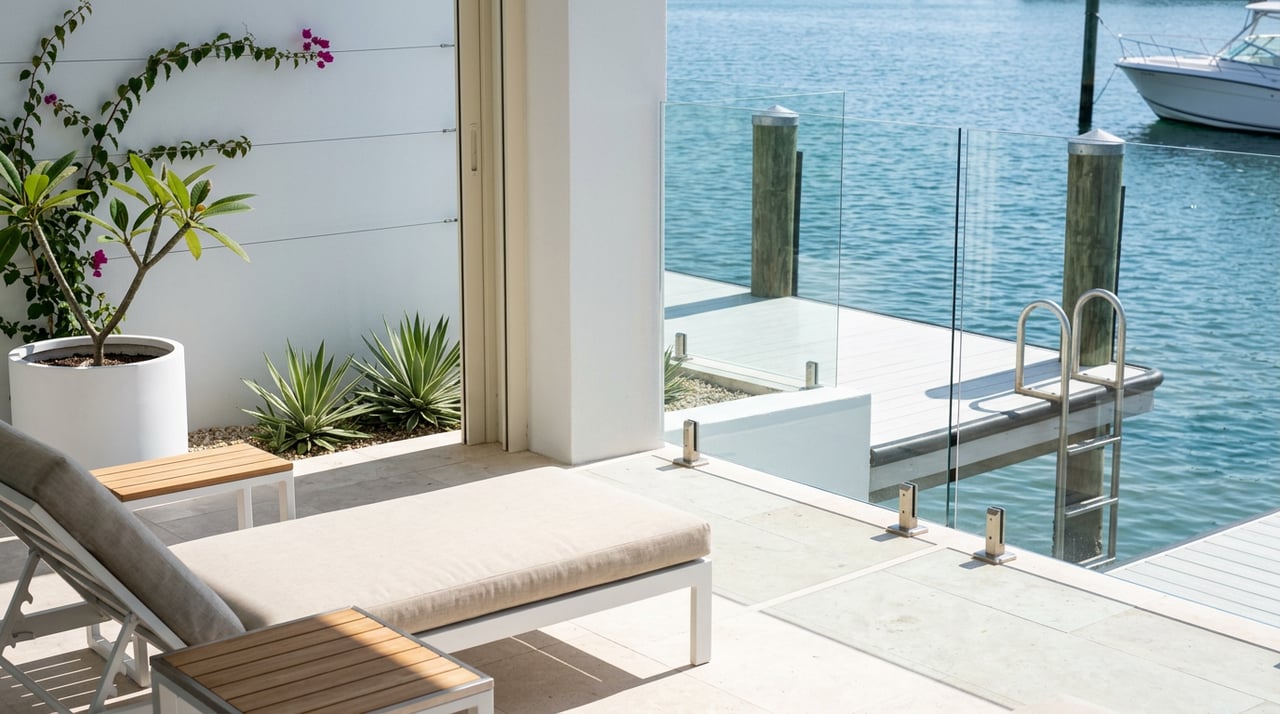
Are Newport Beach waterfront prices telling you to move now or wait for the right moment? If you are considering buying or selling on the bay or the ocean, it can feel tough to decode the numbers and the noise. This guide breaks down what today’s prices really signal, how to use price per waterfront foot wisely, and what to watch at the neighborhood level. You will leave with clear, practical steps to act with confidence. Let’s dive in.
Market snapshot: prices and pace
Citywide, Newport Beach remains a high price, low supply market. In Sotheby’s Q4 2025 community snapshot, the median single-family price sits around $3.6M to $3.7M, and market pace varies sharply by neighborhood. On the waterfront, medians and days on market diverge by community, reflecting different product types and buyer pools. You should expect scarcity to shape pricing and negotiation.
Community-level data highlights this spread. Lido Isle shows a median near $5.8M with roughly 113 days on market, Balboa Island sits around $3.8M with about 90 days, the Balboa Peninsula is near $3.25M with about 52 days, and the broader Newport Harbor area reflects a median around $3.35M with about 81 days. Inventory counts in true waterfront segments are small, often single digits to a few dozen. You can review the full community snapshot in the Sotheby’s Orange County market update.
Price per waterfront foot: what it is
Price per waterfront foot is a simple ratio: sale price or list price divided by the linear feet of legal, usable water frontage. Listings may describe seawall length, bay frontage, or ocean frontage. Always confirm whether the measurement is bulkhead length, open beach line, or lot width to keep comparisons fair.
Use this metric with care. Not all frontage is equal for boating or privacy, and a larger parcel often shows a lower per-foot number because the total price accounts for land and improvements, not just each marginal foot. Dock capacity, turning basin access, water depth, and permit history can push per-foot value up or down. For dock and pier rules that affect value, see Newport Beach’s municipal harbor regulations in the city code.
Real $ per foot examples
These public examples illustrate how lot configuration and location change the per-foot story. Figures are derived from the reported prices and stated frontage in the listing descriptions.
- Lido Isle bayfront: 355 Via Lido Soud sold for $8,000,000 with 40 feet of bay frontage, or about $200,000 per foot. See the public sold page.
- Harbor Island compact frontage: 13 Harbor Island sold for $21,397,500 with 39 feet of frontage, or about $548,654 per foot. Review the public record page.
- Dover Shores long frontage: 301 Morning Star Ln was listed around $17,995,000 with about 148 feet of frontage, or roughly $121,588 per foot. This shows how long frontage can reduce the per-foot figure while the total price stays high.
- Newport Island mid-range: 4017 Channel Pl list was about $6,995,000 with 45 feet of frontage, or roughly $155,444 per foot.
- Central Newport Harbor sale: 812 W Bay Ave sold for $19,000,000 with nearly 60 feet of bay frontage, or about $316,667 per foot. View the public sold page.
- Balboa Peninsula oceanfront: 1504 W Oceanfront list was about $27.95M with approximately 100 feet of beach frontage, or about $279,500 per foot. Oceanfront pricing often behaves differently than protected bayfront.
From these examples, the observed range spans roughly $120,000 per foot to more than $550,000 per foot. Small, ultra-premium island parcels tend to sit at the high end, while long-frontage mainland properties often pencil at the lower end per foot.
How micro-markets shape value
Waterfront in Newport Beach is a mosaic of micro-markets, each with its own pricing logic, buyer base, and liquidity.
- Harbor islands: Lido Isle, Linda Isle, and Harbor Island combine scarce inventory with well-defined product. Many parcels include private docks or piers, which elevates per-foot pricing. Some island listings show longer days on market as buyers wait for specific orientations or permits. The Sotheby’s Q4 2025 snapshot reflects higher medians and, at times, longer marketing periods versus the peninsula.
- Balboa Peninsula: A mix of oceanfront and bayfront creates two pricing tracks. Oceanfront adds a beach premium and different risk and amenity factors, while peninsula bayfront trades on dual lifestyle value: harbor access plus immediate beach proximity.
- Mainland bayfronts: Areas like Dover Shores and Newport Island often offer longer frontage and deeper lots. That geometry supports larger dock capacity and redevelopment potential, which can lower the per-foot figure but keep total values high.
Timing and negotiation signals
Scarcity favors sellers, but liquidity still varies by address and property profile.
- Read inventory and days on market: Fewer active listings and shorter market times for turnkey homes indicate stronger seller leverage. Niche or idiosyncratic properties can sit longer and invite negotiation. Track community-level patterns in the Sotheby’s update.
- Use per-foot as a guide, not a rule: Sellers can justify premiums when frontage is highly usable and permits are in place. Buyers can spot relative value across neighborhoods, especially where frontage and dock capacity are more generous. Confirm dock permits, seawall condition, and transfer details against the city’s harbor code.
- Consider seasonality: Coastal demand often rises in spring and summer. For true waterfront, timing is more about alignment with the right property since supply changes slowly. Use neighborhood-level days on market and active counts to set expectations for concessions and marketing windows.
Long-term drivers and risks
Certain fundamentals support enduring value in Newport Beach waterfront real estate. Limited developable shoreline and a structured permit regime for piers and moorings reinforce long-run scarcity. Review the city’s framework in the municipal code. Daily-life amenities and harbor culture also anchor demand, as reflected in the Sotheby’s market snapshot.
You should also plan for risk and resiliency costs over time.
- Sea level and flooding: Use tools like NOAA’s Sea Level Rise Viewer to understand exposure. Elevation, bulkhead condition, and adaptation planning can influence insurance and carrying costs.
- Beach projects and shoreline management: Periodic nourishment and public works affect oceanfront experience and protection. You can track regional discussions in public sources such as Congress.gov project briefs.
- Insurance: California’s property insurance market remains tight, with evolving pricing for coastal and flood risk. Get quotes early and model options such as NFIP and private flood. For context on statewide trends, see this California homeowners insurance overview.
A smart checklist for buyers and sellers
Before you write an offer or go to market, tighten your numbers and your file. These items often determine whether a per-foot premium holds in negotiation.
- Confirm the exact waterfront measurement and type: bulkhead length, open beach, or channel frontage. Use surveys or deed references if available.
- Verify dock and pier permits, capacity, and transferability. Cross-check with the city’s harbor rules.
- Order or review a seawall or bulkhead condition report, plus any recent maintenance or replacement history.
- Map access to turning basins, water depth, and orientation that may affect yacht maneuvering and view corridors.
- Collect elevation certificates, any LOMA, and current flood policy quotes from both NFIP and private carriers.
- Align rebuild or improvement plans with neighborhood norms and setbacks so future value is part of today’s pricing story.
Work with a team built for waterfront decisions
If you want clarity on where your property or target home sits in the Newport Beach value curve, you deserve precise, local guidance. Our team specializes in bayfront and oceanfront strategy, from confidential positioning for sellers to curated search and negotiation for buyers. Connect with Steve High & Evan Corkett to align pricing, timing, and marketing with your goals.
FAQs
What does price per waterfront foot mean in Newport Beach?
- It is the price divided by the linear feet of usable water frontage, adjusted for whether the frontage is seawall, open beach, or channel, and influenced by dock capacity and permits.
How do bayfront and oceanfront $ per foot compare?
- Bayfront often reflects boating utility and protected water, while oceanfront layers a beach premium and different risk factors, so per-foot numbers can diverge materially.
Why do island parcels show higher $ per foot than mainland areas?
- Islands have scarce, tightly defined frontage and many private docks, which concentrates demand and pushes the per-foot figure higher than longer mainland frontages.
Is $ per foot a reliable way to set an offer or list price?
- It is a helpful anchor, but you should verify frontage, dock permits, seawall condition, lot geometry, and recent comps before relying on a single ratio.
What seasonal patterns affect buying or selling a waterfront home?
- Spring and summer can bring more showings and urgency, but true waterfront supply changes slowly, so matching the right property is usually more important than the month.
What dock and permit items should I confirm before closing?
- Confirm permit status and transferability, berth dimensions, water depth and access, seawall reports, and any conditions set by the city’s harbor code.