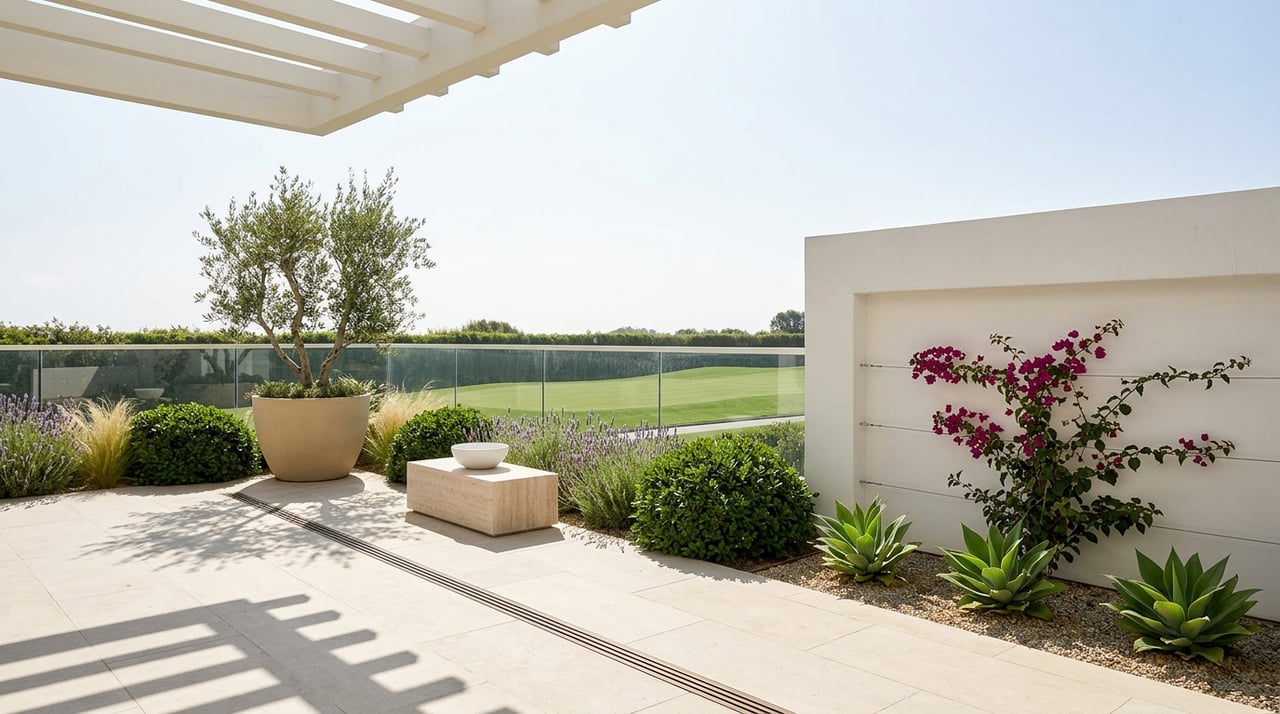
If you are drawn to ocean views, golf, and a more private coastal setting, Newport Coast stands apart for a reason. This part of Newport Beach was planned around ridgelines, open space, and protected view corridors, so daily life feels different from a typical beach neighborhood. If you are thinking about buying here, especially as a primary or second home, it helps to understand how the communities are laid out and what that means for your lifestyle. Let’s dive in.
Why Newport Coast Feels Different
Newport Coast is not a separate city. It is a planned coastal district within Newport Beach, and the city describes it as an area known for newer homes, upscale hotels, the Pelican Hill Golf Course, and Pacific Ocean views. According to the City of Newport Beach community overview, Newport Coast was annexed in 2002.
What makes the area especially distinctive is its planning framework. The Newport Coast Local Coastal Program says the community was designed to preserve coastal-ridge views from Pacific Coast Highway, protect ocean views from Newport Coast Drive, and cluster residential development alongside open space. In real terms, that helps explain why Newport Coast often feels more organized, more controlled, and more view-oriented than a dense beachfront street grid.
The scale of that open-space vision is substantial. The same city materials note that Newport Coast includes 9,493 planned acres, with 7,343 acres devoted to open space and recreation. Pelican Hill’s two 18-hole golf courses and the preserved land around Crystal Cove State Park are central to that identity.
Golf and Views Define the Lifestyle
In Newport Coast, golf and scenery are not separate features. They work together to shape the feel of the community. The golf-course greenbelts, preserved hillsides, and ocean-facing ridges create a setting where recreation and views are built into daily life.
That also affects how you move through the area. Rather than a busy public street pattern, Newport Coast is known for controlled-access residential pockets, winding roads, and neighborhoods positioned to take advantage of topography. For many buyers, that translates into a quieter and more private experience.
Pelican Hill Sets the Tone
Pelican Hill is at the center of Newport Coast’s golf-and-view identity. The coastal plan describes it as a destination resort with golf-course greenbelt land, ocean vistas, beach access, and residential areas placed on the ridgetop to help protect views. That mix of resort uses and residential living is one of the defining features of the area.
Today, Pelican Hill Golf Club offers 36 holes. The Ocean North Course is a par 71, and the Ocean South Course is a par 70. The club notes that the North Course features panoramic ocean views from every hole, which reinforces why Pelican Hill has become such a recognizable part of Newport Coast living.
Is Pelican Hill Public or Private?
Pelican Hill operates in a semi-private resort model rather than as a fully private club. The club states that general public tee times open 14 days in advance, resort guests may book when they reserve their stay, and Gold Members can reserve up to 31 days ahead. That layered access matters if golf is a regular part of your routine.
For buyers who value club access and service, the details are worth noting. Pelican Hill lists an annual Gold Membership enrollment fee of $35,000 and a renewal fee of $28,000, along with unlimited golf, member events, and resort discounts. The club also offers practical daily amenities such as locker rooms, GPS-enabled carts, forecaddie service, complimentary valet parking for members, and on-site dining at Caffè II.
Pelican Hill as a Residential Enclave
Pelican Hill is not only a resort setting. It is also part of Newport Coast’s residential framework. The Newport Coast Community Association 2024 financials list 146 units within the Pelican Hill gates.
That is useful context if you are evaluating Newport Coast as a place to live rather than simply visit. It shows how closely residential living can be tied to resort-adjacent land use in this part of Newport Beach. For some buyers, that blend supports a polished, lock-and-leave lifestyle with recreation close at hand.
Understanding the Main Enclaves
While Newport Coast is often discussed as one luxury market, it is made up of several distinct enclaves. Each contributes something different to the area’s overall character.
Pelican Crest
Pelican Crest is one of the gated sub-associations within the Newport Coast Community Association. The association’s 2024 financials show that the master association includes 1,638 residential units across 20 subdivisions, with 165 units in the Pelican Crest gate cost center. That makes Pelican Crest an established part of the broader Newport Coast structure.
From a lifestyle perspective, the key takeaway is its layered gate-and-association setup. Instead of an open coastal street grid, this structure supports a more controlled residential environment. Buyers who prioritize privacy and a more inward-facing community often pay close attention to that distinction.
Pelican Ridge
Pelican Ridge is organized under the Ocean Ridge gate cost center. According to the Newport Coast Community Association’s financials, that gate structure includes Pelican Ridge Community, Pelican Ridge Estates, and Pelican Ridge Maintenance, with 210 units inside the Ocean Ridge gates. FirstService Residential also identifies Pelican Ridge as a Newport Coast community within the master association structure.
In practical terms, Pelican Ridge is best understood as one of Newport Coast’s smaller controlled-access pockets. It is not framed as a resort campus in the same way Pelican Hill is. For buyers comparing options within Newport Coast, that difference can shape everything from atmosphere to daily routine.
Crystal Cove
Crystal Cove adds a different dimension to Newport Coast living. Where the Pelican Hill side leans into golf and resort identity, Crystal Cove brings a stronger connection to preserved coastline and outdoor recreation. That mix broadens the appeal of Newport Coast beyond golf alone.
According to California State Parks, Crystal Cove State Park includes 3.2 miles of beach, 2,343 acres of undeveloped wild land, tidepools, sandy coves, and opportunities for hiking, horseback riding, biking, and interpretive programs. The park’s historic district is a 12.3-acre neighborhood, and state materials note 46 rustic cottages from the 1930s and 1940s, with 16 rehabilitated for overnight rentals.
On the residential side, the Crystal Cove Community Association describes a 24-hour staffed entry, gated access points, Proptia guest management, and court reservations for tennis and pickleball. Residents may reserve courts up to two weeks in advance, with limits on weekly reservations and 90-minute sessions. The association also notes that two pickleball courts are available.
What Daily Life Looks Like
Newport Coast is designed around easy access to recreation. A typical day might start with golf, continue with beach or trail time, and end with nearby dining or shopping. That rhythm is part of what makes the area attractive to both full-time residents and second-home owners.
Pelican Hill’s area activities page highlights nearby options such as Crystal Cove Beach, Bluff-Top Trails, Big Corona, Little Corona, Newport Harbor boating, Fashion Island, and Crystal Cove Shopping Center. The resort also says it offers complimentary coach service to Crystal Cove Beach, which speaks to how connected these amenities feel in everyday use.
Just as important, the physical planning supports that lifestyle. The coastal plan treats Pelican Hill’s golf courses as a greenbelt buffer that complements Crystal Cove State Park and preserves views toward the ocean and from Newport Coast Drive. In other words, the scenery is not accidental. It is built into how the community functions.
Privacy and Controlled Access
For many buyers, privacy is one of Newport Coast’s strongest selling points. Here, privacy usually means controlled access rather than complete isolation. Major projects are gate-maintained through the master association structure, Crystal Cove uses staffed entry and digital guest management, and Pelican Hill uses tiered access for golfers, guests, and members.
That setup creates a residential experience that often feels calmer and more protected than busier coastal districts. It can be especially appealing if you want a home that is easy to secure when you travel. For second-home buyers, that lock-and-leave quality is often a major part of the appeal.
Who Newport Coast May Suit Best
Newport Coast tends to appeal to buyers who want more than simple proximity to the beach. It is often a strong fit if you value ocean views, structured privacy, golf access, and proximity to open space. It may also appeal to buyers who prefer a planned, polished environment over a dense and highly active waterfront street scene.
That does not mean every enclave feels the same. Some buyers are drawn to the resort-adjacent identity of Pelican Hill, while others prefer the natural setting and beach access that come with Crystal Cove. Understanding those differences can help you focus your search more strategically.
What to Consider Before You Buy
If you are exploring Newport Coast’s golf and view communities, it helps to look beyond the headline scenery. A few practical questions can sharpen your search:
- Do you want a resort-adjacent setting or a more purely residential enclave?
- How important is golf access to your daily routine?
- Would you use beach and trail access more often than club amenities?
- Is controlled access a major priority for your household?
- Are you looking for a primary residence or a second-home setup?
These questions matter because Newport Coast offers a range of living environments within one broader market. The best fit usually depends on how you plan to use the home, not just the address.
If you are weighing the differences between Pelican Hill, Pelican Crest, Pelican Ridge, or Crystal Cove, local guidance can make the process more efficient and more precise. Steve High & Evan Corkett offer discreet, highly tailored representation throughout Coastal Orange County, including Newport Coast, for buyers and sellers who value local insight, privacy, and a polished experience.
FAQs
What is Newport Coast within Newport Beach?
- Newport Coast is a planned coastal district within Newport Beach, not a separate city, and city materials describe it as an area known for newer homes, resorts, golf, and ocean views.
Is Pelican Hill Golf Club public or private in Newport Coast?
- Pelican Hill operates on a semi-private resort model, with limited public tee times, resort guest booking access, and a paid Gold Membership option.
What makes Crystal Cove different from Pelican Hill in Newport Coast?
- Crystal Cove combines gated residential living with direct proximity to Crystal Cove State Park, beaches, trails, and historic cottages, while Pelican Hill is more centered on golf and resort-style amenities.
Are Newport Coast communities gated?
- Many Newport Coast enclaves are part of layered gate and master-association systems, and Crystal Cove also notes 24-hour staffed entry and guest management.
Why does Newport Coast feel different from other coastal Newport Beach areas?
- The area was planned around hillside siting, open space, golf-course greenbelts, and protected view corridors rather than a dense beachfront street grid.
Is Newport Coast a good fit for a second home?
- For many buyers, Newport Coast can be appealing as a second-home location because its controlled-access communities and resort-adjacent amenities support a convenient lock-and-leave lifestyle.