If you are weighing whether to own or lease a waterfront home on Newport Island, the decision is about more than price alone. You are choosing between long-term control and flexibility in one of Newport Beach’s most distinct residential settings. Understanding the island’s housing profile, leasing rules, and waterfront responsibilities can help you move with more confidence. Let’s dive in.
Newport Island at a Glance
Newport Island is a triangular residential island surrounded by water channels and reached by a single bridge. The California Coastal Commission describes it as an isolated residential neighborhood with 119 parcels and one City park parcel.
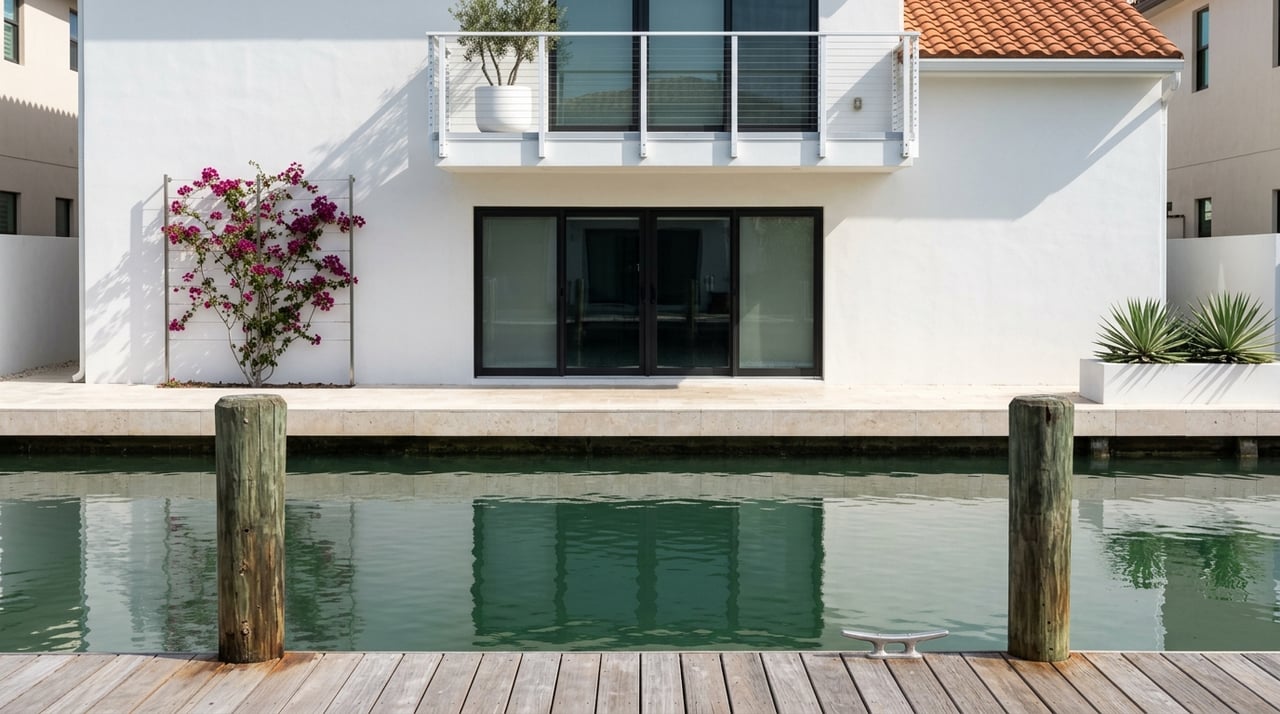
The setting is part of the appeal. You will find bay-water views and street-end access where residents can launch kayaks or paddleboards. At the same time, the island does not have ocean-fronting beaches, restaurants, shops, or other visitor-serving amenities, which gives it a more private residential feel.
The zoning matters here. Newport Beach identifies R-2 as Two-Unit Residential, so Newport Island is best understood as a low-density residential area rather than a high-density condo district.
Why Ownership Appeals on Newport Island
Ownership is often the better fit if you want lasting control over the property and the ability to shape it around your lifestyle. On Newport Island, that can mean improvements for indoor-outdoor living, long-term planning, and more consistency in how you use the home over time.
This can be especially important on waterfront parcels. If a harbor-side property includes a dock, pier, or mooring, those features are regulated separately by the City, so owning may make more sense if you plan to keep and manage those assets over the long run.
In practical terms, ownership tends to suit buyers who want a legacy property, a second home with more permanence, or a waterfront residence they can customize. That is especially true in a neighborhood defined more by residential character than by short-term visitor activity.
Property Tax Planning Matters
In Orange County, California property tax under Proposition 13 is generally limited to 1 percent plus voter-approved bonded indebtedness. Taxable value is based on the lower of the factored base-year value or market value on the lien date, and annual increases are generally capped at no more than 2 percent unless there is a change in ownership or new construction.
That framework can make long-term ownership attractive, but you should also plan for first-year costs carefully. A purchase or substantial improvement can trigger a supplemental assessment and one or two supplemental bills depending on timing, so your initial carrying cost may be higher than the standard annual tax number suggests.
Flood Review Is Part of Waterfront Due Diligence
If you are buying on the water, flood-zone review should be part of your due diligence. FEMA and the National Flood Insurance Program say high-risk A or V zones require flood insurance as a condition of a federally backed mortgage, and the City notes that its flood-hazard areas are subject to periodic inundation.
That does not mean every property carries the same risk profile. It does mean you should confirm the exact flood zone for the address and understand how insurance requirements may affect your ownership costs.
Docks, Piers, and Moorings Need Attention
Waterfront ownership can come with extra layers of compliance. If the home includes a pier, the City requires transfer paperwork, an inspection, and a transfer fee before the permit changes hands.
Moorings are also permitted by the City, and a permittee may not lease or rent a mooring to another person. If boating access is part of your plan, you will want to verify the exact status of any dock, pier, or mooring before closing.
When Leasing May Be the Better Move
Leasing can be the right choice if you want flexibility, lower capital commitment, or a way to enjoy Newport Island without taking on long-term ownership costs. For some clients, that makes leasing a practical path into the market.
This is particularly relevant if you are still deciding how often you plan to use the property or whether Newport Island fits your lifestyle long term. Leasing can give you time to test the setting before making a larger commitment.
For owners, leasing can also serve a strategic purpose. But on Newport Island, the type of lease you choose matters because short-term lodging rules are more restrictive than many people expect.
Short-Term Rentals Face Tight Rules
Newport Beach defines short-term lodging as the rental of a residential unit for 30 consecutive days or less. In residential districts including R-2, an owner or agent needs both a Short-Term Lodging Permit and a business license.
On Newport Island, there is an added restriction. The City ordinance says no short-term lodging unit is permitted on parcels mapped as Newport Island unless it was legally established by the ordinance’s effective date, and after the transition period it can only operate on a parcel with an owner-occupied dwelling unit managed by the owner.
That is a major point for both buyers and owners. If your plan involves frequent short stays or vacation-rental income, Newport Island may not support that strategy in the way you expect.
Costs and Compliance for Short-Term Lodging
The City’s FY 25/26 fee schedule lists a $300 initial short-term lodging permit fee and a $336 renewal fee. Annual renewals are due October 31, and the packet requires a renewal form, permit fee, uniform transient occupancy tax form, and tax payment.
The City also states that the transient occupancy tax is 10 percent of the lease amount. On top of that, short-term lodging operators must comply with SB 1383 waste-sorting rules, and the City says citations can start at $1,000 per violation if guests do not separate trash, recycling, and organics correctly.
For many owners, these rules make short-term operation less attractive. That is one reason annual or seasonal residential leases are usually the more practical leasing structure on Newport Island.
HOA Review Can Affect Leasing Plans
If a property is part of an HOA, the City advises owners to review CC&Rs before advertising or applying for permits. That means your leasing options may be shaped not only by City rules, but also by private governing documents.
Before you buy with leasing in mind, it is wise to confirm whether the address has HOA restrictions, what types of leases are allowed, and whether there is any permit history tied to the property.
Ownership vs Leasing on Newport Island
For many clients, the clearest difference comes down to control versus flexibility. Ownership usually works better for long-term hold, personalization, and legacy use. Leasing is usually better for flexibility and lower upfront commitment.
On Newport Island, however, the island-specific short-term lodging limits narrow the leasing playbook. That makes the neighborhood better suited to buyers and owners who value residential use and a longer view.
| Consideration | Owning | Leasing |
|---|---|---|
| Long-term control | Strong fit | Limited |
| Ability to customize | Strong fit | Usually limited by lease terms |
| Upfront capital | Higher | Lower |
| Flexibility | Lower | Higher |
| Short-term income potential | Limited by City rules | Not typically relevant for tenant use |
| Waterfront compliance responsibility | Direct owner responsibility | Usually less direct for tenant |
Lifestyle Tradeoffs to Think Through
The draw of Newport Island is clear. You get a harbor setting, bay views, and easy access for kayaking or paddleboarding in a neighborhood that feels tucked away from heavier visitor activity.
The tradeoff is that waterfront living often brings more management. Boats and waterfront features must comply with harbor rules such as no wake, low-speed, and no-discharge requirements, and the City maintains public pump-out stations around the harbor.
If that hands-on aspect sounds appealing, ownership may feel rewarding. If you want the lifestyle with fewer long-term obligations, leasing may be the cleaner fit.
Due Diligence Before You Decide
Before you commit to owning or leasing a Newport Island waterfront home, confirm the details tied to the exact property. Small differences at the address level can affect costs, use, and long-term value.
A focused review should include:
- Exact address and zoning
- Flood zone status
- HOA documents, if any
- Dock, pier, or mooring status
- Recorded permit history
- Leasing rules that apply to the parcel
For many waterfront decisions, the right answer comes down to how you plan to use the home. If you want a private long-term foothold in one of Newport Beach’s most distinctive island settings, ownership often stands out. If you value optionality and a lower commitment, leasing can still make sense, especially when structured around longer residential terms.
If you are considering a purchase, sale, or luxury lease on Newport Island, Steve High & Evan Corkett offer discreet, high-touch guidance grounded in Coastal Orange County waterfront expertise.
FAQs
What kind of neighborhood is Newport Island in Newport Beach?
- Newport Island is a residential island community with 119 parcels and one City park parcel, reached by a single bridge and known for bay views and street-end water access.
Are short-term rentals allowed on Newport Island?
- Newport Island has strict short-term lodging limits, and parcels generally cannot operate as short-term lodging units unless they were legally established under the City ordinance and meet owner-occupancy and management requirements.
What should you check before buying a waterfront home on Newport Island?
- You should verify the exact address, zoning, flood zone, HOA documents, dock or mooring status, and any recorded permit history tied to the property.
Do Newport Island waterfront homes involve extra ownership responsibilities?
- Yes, waterfront ownership can involve added review for flood zones, property taxes, and any dock, pier, or mooring permits regulated by the City.
Is owning or leasing better for Newport Island waterfront property?
- Owning is often better for long-term control and customization, while leasing is often better for flexibility and lower upfront commitment, with longer residential leases generally more practical than short-term lodging on Newport Island.