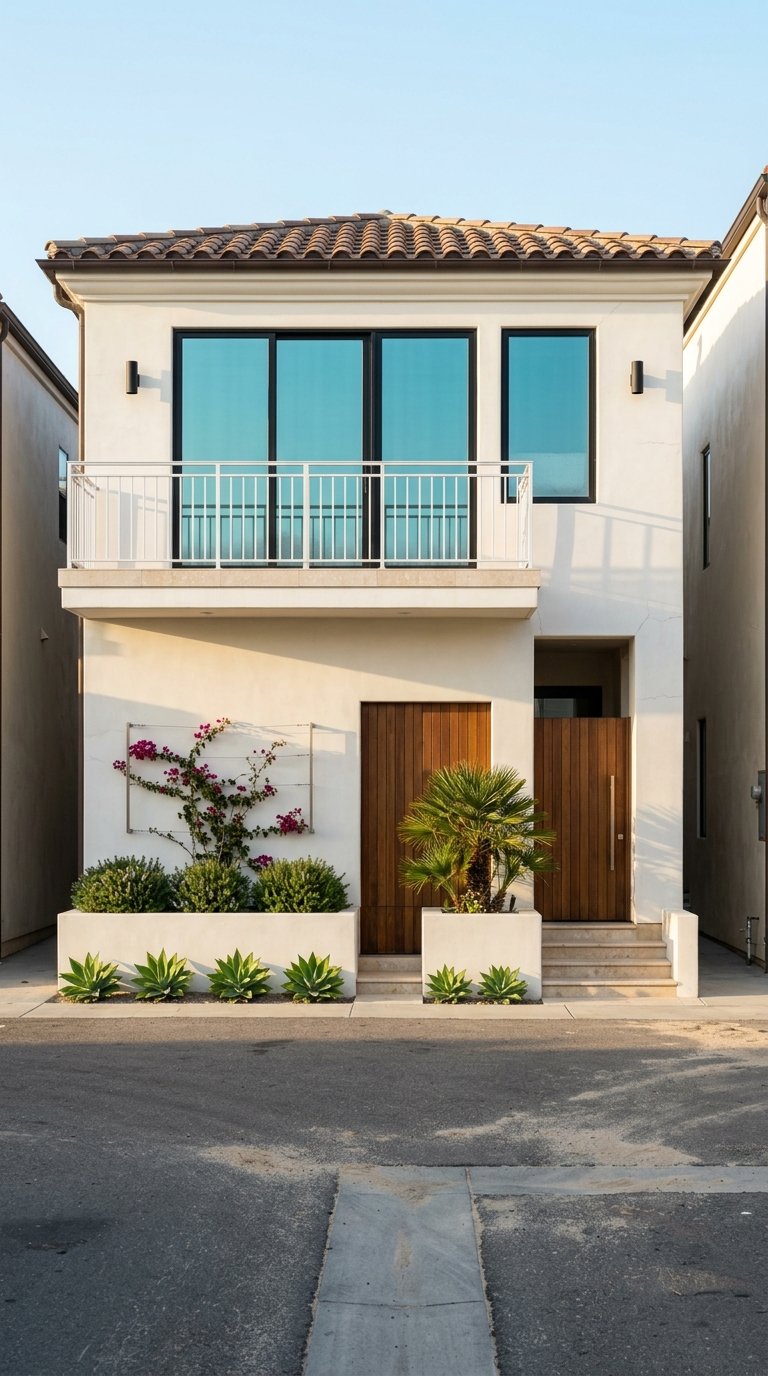
If you are searching for luxury on Balboa Peninsula, one block can change the entire experience. This three-mile stretch sits between Newport Harbor and the Pacific, but it does not live like one uniform market. Your daily rhythm, access, privacy, and property feel can shift meaningfully depending on whether you are in West Newport, Balboa Village, or Peninsula Point. Let’s look at how these three micro neighborhoods differ so you can evaluate the Peninsula with more confidence.
Why micro location matters
Balboa Peninsula and West Newport have more than five miles of wide sandy beaches, 89 street ends, and an Ocean Front Boardwalk that runs from 36th Street in West Newport to F Street on the Peninsula. Along the lower bay, the shoreline is narrower and more oriented to bulkheads and moorings. That contrast helps explain why address-level nuance matters so much here.
For a buyer, that means two homes on the same Peninsula can offer very different lifestyles. For an owner thinking about selling, it also means positioning a property correctly starts with a precise understanding of its immediate setting, not just the broader Newport Beach label.
West Newport at a glance
West Newport is the Peninsula’s most beach-forward district. The city describes it as having more than a mile and a half of wide sandy public beaches, with public parking centered at West Newport Park and on-street beach-end spaces between 36th Street and Summit Street.
The area is also notably accessible. City coastal planning materials note that West Newport and the Balboa Peninsula are relatively level, with frequent street ends providing vertical access to the beach. If you want a location where the sand feels visually and physically central to daily life, West Newport stands out.
What defines West Newport
West Newport tends to read as broad, open, and strongly tied to the ocean side of the Peninsula. The housing pattern reflects Newport Beach’s earlier shoreline development, with a mix of single-family, multi-family, and mixed-use properties.
The city’s cottage-preservation framework also gives useful context. Traditional Peninsula homes are often described as small one-story coastal cottages with a modest second story over rear parking, and that older coastal pattern still shapes the visual identity of many blocks.
What to expect day to day
West Newport can feel straightforward and beach-centric in a way that appeals to buyers who want easy public access and an open shoreline setting. At the same time, the city’s Safety Enhancement Zone materials identify West Newport as one of the areas subject to added public-safety controls during spring-break and summer-holiday periods.
That does not define the neighborhood year-round, but it is a practical signal of how intense peak periods can become. If you are evaluating a property here, it helps to think in both modes: the everyday coastal rhythm and the seasonal pressure points.
Best fit for West Newport
A simple way to think about West Newport is open beach access. If your priority is broad beachfront character, frequent street-end access, and a location where the ocean side is the main event, this area deserves close attention.
Balboa Village and Fun Zone at a glance
Balboa Village is the historic center of recreational and social activity on the Peninsula. City materials identify Balboa as home to the Balboa Pier, the Balboa Fun Zone, and the historic Balboa Pavilion, while the general plan describes Balboa Village as the lower Peninsula’s primary center.
The city’s branding and planning documents treat the broader Fun Zone as part of Balboa Village rather than a separate amusement strip. In practical terms, that means you are looking at one connected district with harbor- and beachfront-oriented activity, shopping, dining, and steady pedestrian movement.
What defines Balboa Village
Balboa Village is more commercial and pedestrian-oriented than the surrounding residential blocks. The general plan notes articulated facades, pedestrian-scale signage, and a concentration of seasonal, visitor-oriented retail, especially near Edgewater Place.
Public improvements also shape the experience. The area includes widened sidewalks, decorative paving, lighting, landscaping, and street furniture, which gives it a more polished and visitor-facing feel than quieter stretches of the Peninsula.
Access, parking, and movement
Access is part of the neighborhood’s identity. City coastal documents state that the Peninsula has more than 7,400 public parking spaces, with more than half on-street, and major municipal lots near McFadden Place and Newport Pier as well as Balboa Pier.
The Balboa Ferry also adds an important mobility layer for anyone moving between the Peninsula and Balboa Island. If you value being near activity and transportation options, those details matter as much as your distance to the sand.
What to expect day to day
This is the Peninsula’s clearest visitor-serving center. It is highly walkable, active, and shaped by a mix of year-round residential occupancy and ongoing visitor use.
The city general plan notes that Balboa Village contains more commercial space than local residents alone can support, and planning documents recommend programming events in non-peak periods when parking is easier. That gives you a useful read on the area: energetic, convenient, and most alive when movement and activity are part of the appeal.
Best fit for Balboa Village
The clearest shorthand here is energy and walkability. If you are drawn to a lively setting where retail, dining, ferry access, and pedestrian flow are central to the experience, Balboa Village offers a distinct Peninsula lifestyle.
Peninsula Point at a glance
Peninsula Point is the most residential pocket of the three. Its long-standing resident focus is reflected in the Peninsula Point Property Owners Association, which was incorporated in 1949.
Compared with West Newport and Balboa Village, the Point feels more oriented to neighborhood life than to commercial activity. That distinction is especially important for buyers who want the Peninsula setting without placing themselves in its most visitor-intense zones.
What defines Peninsula Point
Peninsula Point aligns more closely with the Peninsula’s traditional coastal-residential pattern. The visual frame is less about mixed-use village activity and more about established residential blocks shaped by classic cottage-scale architecture and water-oriented living.
The city’s cottage-preservation description of Peninsula homes as smaller one-story dwellings with a modest second story over rear parking is especially helpful here. It captures the modest, traditional coastal form that still informs much of the area’s character.
Water access and boating convenience
Where Peninsula Point becomes especially distinct is water access. The Peninsula Point Property Owners Association leases a private bay-side beach at 2100 Channel Road, and the association’s private boat ramp is limited to boats no longer than 23 feet.
The private dock also allows temporary passenger loading and unloading. In addition, the city is improving beach-access street ends at G, I, L, M, and Channel Streets in the Peninsula Point area, reinforcing how closely this pocket is tied to both bay and beach access.
What to expect day to day
The Point’s seasonal rhythm tends to be more neighborhood-driven than visitor-driven. A good example is the area’s 4th of July children’s parade, which draws about 400 participants, mostly Peninsula residents.
That detail offers a useful sense of local culture. Even during high season, Peninsula Point often reads as more private, more tradition-oriented, and more residential than the Peninsula’s busier nodes.
Best fit for Peninsula Point
The simplest shorthand for Peninsula Point is privacy and boating convenience. If you want a more residential setting with unusually strong water access and a strong sense of local continuity, this is often the Peninsula subarea that feels most tailored to that lifestyle.
Comparing the three neighborhoods
Each micro neighborhood offers a different version of Peninsula luxury. The right fit depends less on price point alone and more on how you want to live once you are there.
| Micro neighborhood | Defining strength | Overall feel | Key lifestyle cue |
|---|---|---|---|
| West Newport | Open beach access | Broad, beach-first, public-access-oriented | Strong ocean-side focus |
| Balboa Village / Fun Zone | Energy and walkability | Active, pedestrian-oriented, visitor-serving | Dining, retail, ferry, and movement |
| Peninsula Point | Privacy and boating convenience | Residential, tradition-oriented, water-access-focused | Bay access and neighborhood feel |
How to evaluate a Peninsula address
When you compare properties on Balboa Peninsula, it helps to focus on a few practical questions:
- Do you want your daily routine centered on the beach, the bay, or walkable activity?
- How important is boating convenience or dock-adjacent access?
- Are you comfortable with seasonal visitor pressure, or do you prefer a more residential rhythm?
- Do you value a polished commercial district nearby, or quieter traditional blocks?
These are not small lifestyle details. On the Peninsula, they often define whether a home feels merely impressive on paper or genuinely aligned with how you want to use it.
Why this matters in a luxury search
In a market like Newport Beach, broad labels can blur important differences. A luxury buyer or seller is often making decisions based on privacy, access, convenience, architecture, and long-term positioning within a very tight coastal geography.
That is why micro-market knowledge matters. Understanding whether a property belongs to West Newport, Balboa Village, or Peninsula Point can sharpen pricing judgment, refine a search, and create a more compelling story when it is time to bring a home to market.
If you are considering a purchase or sale on Balboa Peninsula, working with precise neighborhood context can help you move with more clarity. For discreet guidance on Newport Beach waterfront and oceanfront real estate, connect with Steve High & Evan Corkett.
FAQs
Which Balboa Peninsula area is most beach-centric?
- West Newport is generally the most beach-centric because it offers the broadest public beach frontage and frequent street-end beach access.
Which Balboa Peninsula area feels busiest day to day?
- Balboa Village and the Fun Zone typically feel busiest because they serve as the Peninsula’s main visitor-oriented center with concentrated pedestrian activity, retail, dining, and parking.
Which Balboa Peninsula neighborhood is strongest for boaters?
- Peninsula Point is the strongest fit for boaters because of its private ramp, temporary dock loading access, and strong connection to bay-oriented living.
What makes Peninsula Point feel different from West Newport?
- Peninsula Point is more residential and private in character, while West Newport is more open, beach-forward, and shaped by public shoreline access.
Why do Balboa Peninsula micro neighborhoods matter in luxury real estate?
- They matter because small location differences can change your access, privacy, daily rhythm, and overall property experience in a very compact coastal market.