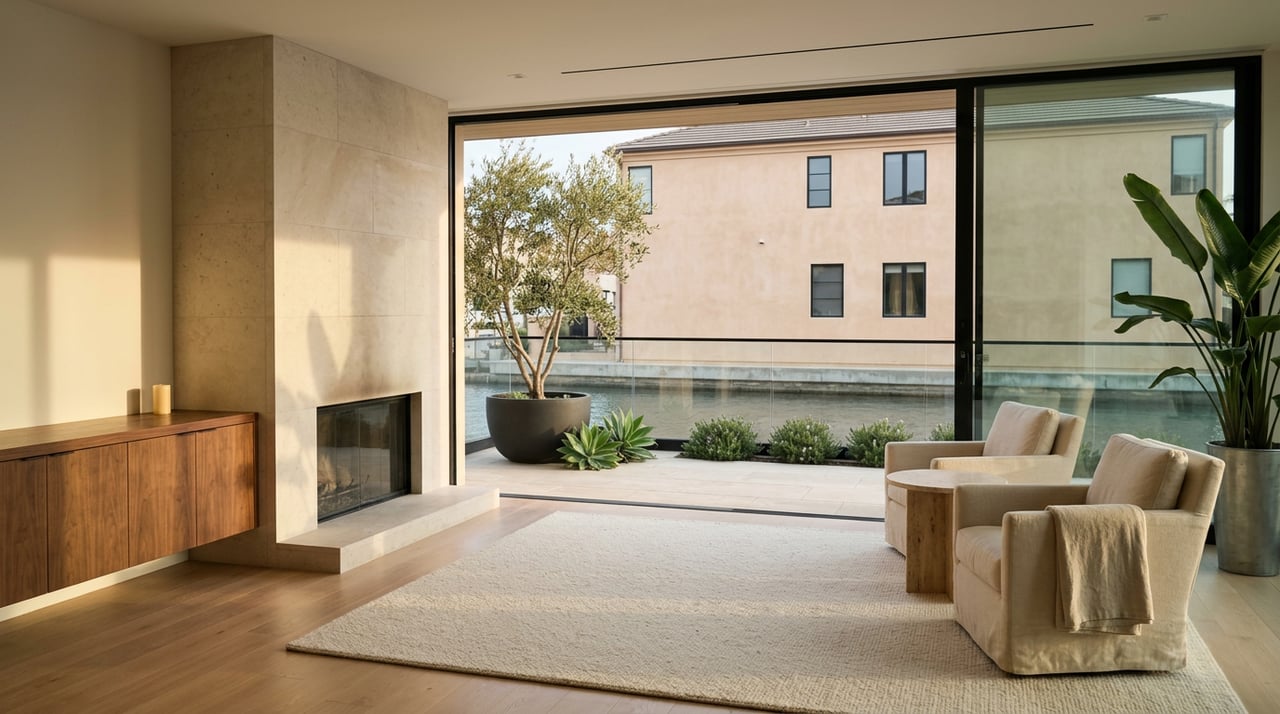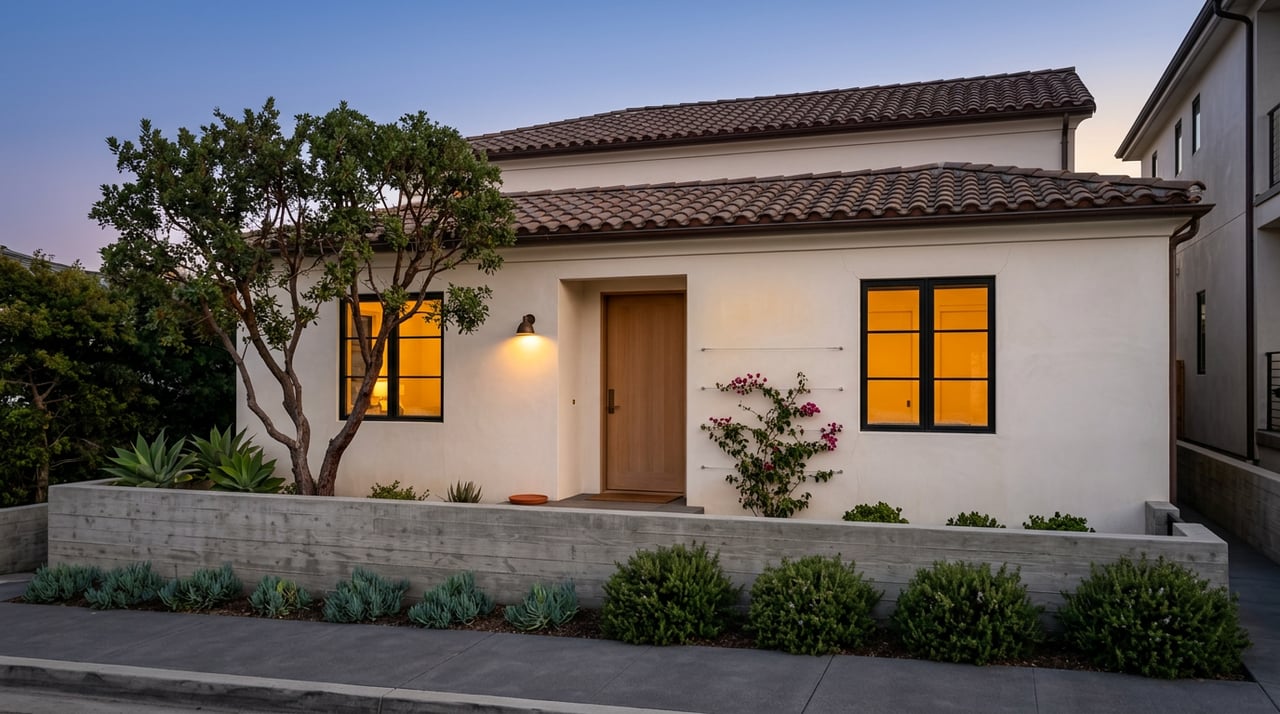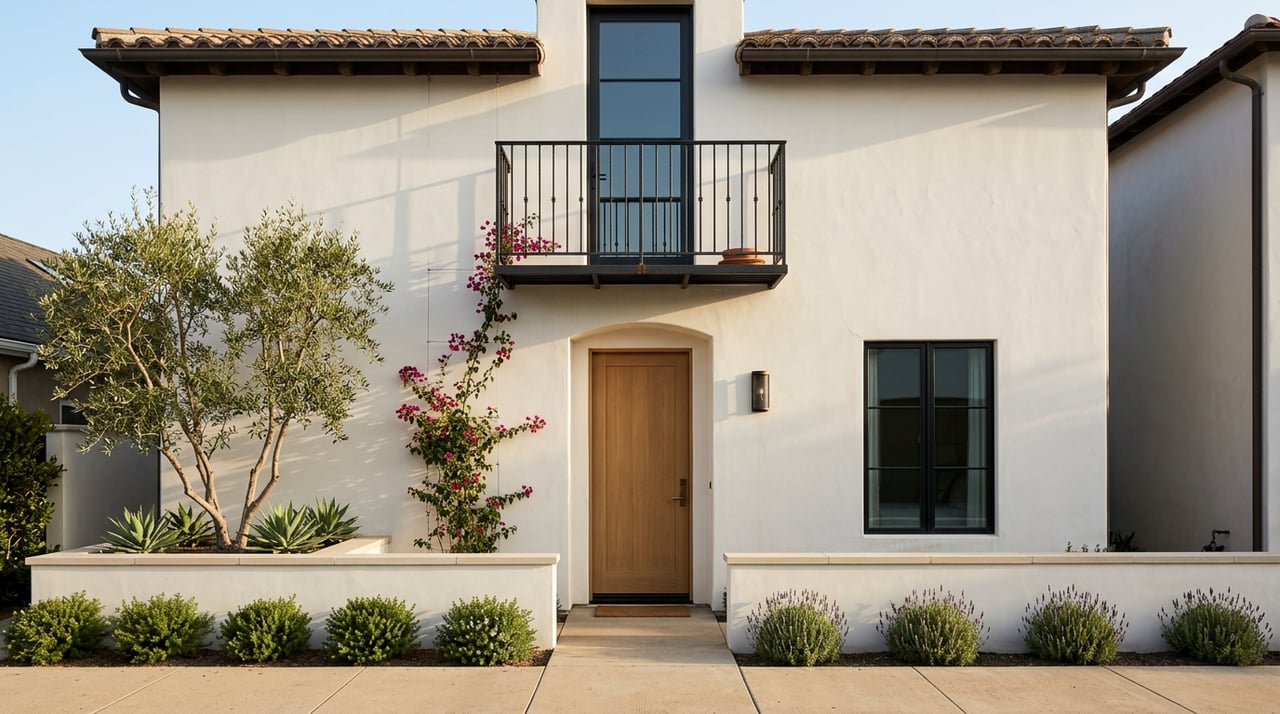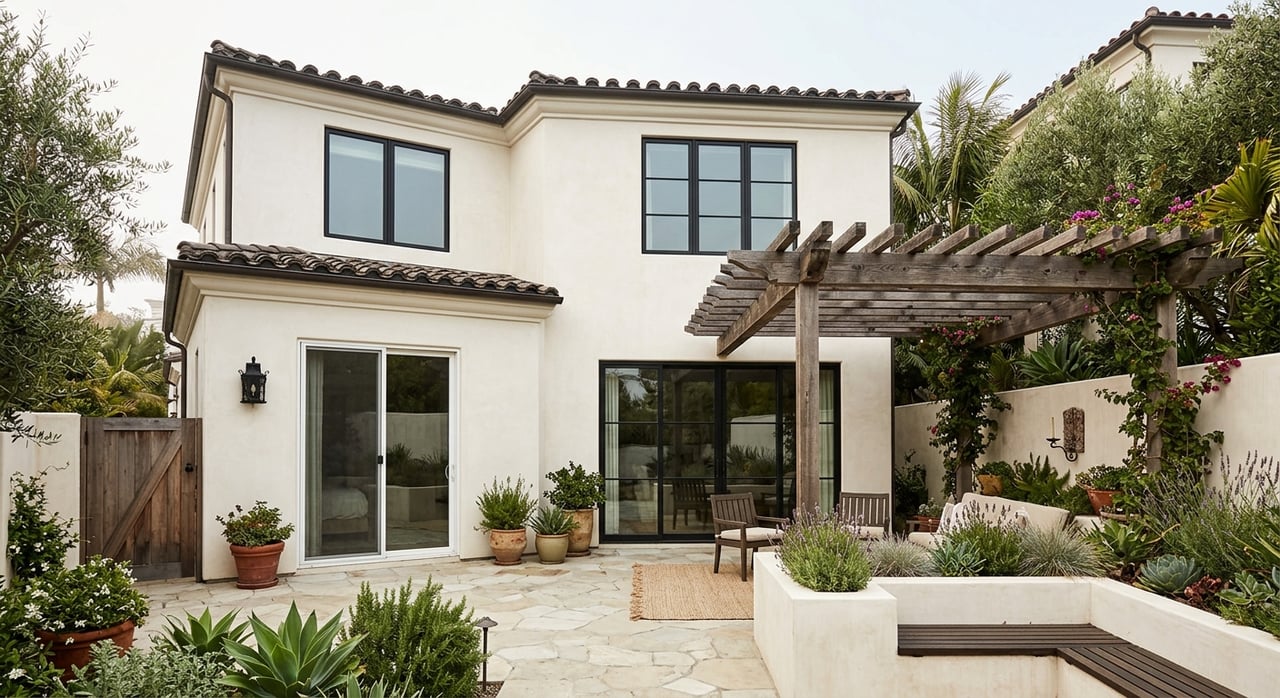
If you are looking at a Corona del Mar property and wondering whether to renovate or start over, the answer is rarely simple. In this coastal market, the right choice is not just about age or style. It is about how the home fits the lot, how it relates to views and street presence, and how local planning standards shape what is actually possible. This guide will help you think through the teardown-versus-transform decision in a more strategic way. Let’s dive in.
Why Corona del Mar Requires a Different Lens
Corona del Mar is not a place where you can treat every property like a standard Newport Beach lot. Newport Beach adopted its 2050 General Plan in June 2026, and that planning framework includes dedicated Corona del Mar figures along with separate safety figures for coastal flood risk, harbor flood risk, landslide zones, liquefaction zones, FEMA flood zones, and fire hazard severity zones.
That matters because a home decision here should be site-specific from the start. In practical terms, you need to look at the building envelope, hazards, slope, visual context, and street relationship together rather than one at a time.
Start With the Lot, Not the House
Many owners first focus on the current structure. In Corona del Mar, the better starting point is usually the lot itself. Width, slope, orientation, and vertical profile often have more influence on your options than the finishes or layout inside the home.
The zoning code sets distinct residential standards for Corona del Mar in several categories. In some single-unit and two-unit districts, the area has a lower floor-area limit than citywide standards, and height tables show base limits of 24 feet for flat roofs and 29 feet for sloped roofs in certain height-limit areas.
There is also a special rule for bluff-side Ocean Boulevard properties in Corona del Mar. New structures and additions there may not be built higher than the adjacent curb elevation. If you are evaluating one of these homes, that single factor can heavily influence whether a remodel is realistic or whether a new design would be cleaner and more efficient.
Views Are Part of the Property Equation
In Corona del Mar, views are not just a lifestyle feature. They are part of the planning context. Newport Beach’s Natural Resources Element identifies north-south streets in Corona del Mar as view corridors to the ocean and bay, and city policy calls for protecting significant scenic and visual resources while minimizing obstructions from landscaping, signs, utilities, and rooftop features.
That means a larger house is not always a better house. The way a home meets the street, frames the horizon line, and preserves openness can matter just as much as square footage.
For buyers and sellers, this is one of the most important mindset shifts. A property’s value may come from a lower-profile design that respects view lines rather than a more aggressive buildout that fights the lot and the street.
When a Transformation Often Makes Sense
A remodel or thoughtful transformation can be the stronger path when the existing house already sits well on the lot. This is especially true if the home has cottage-scale character, a comfortable relationship to the street, or a lower-massing profile that preserves important view lines.
Corona del Mar’s Cottage Preservation program reflects that local reality. Adopted in 2022, the voluntary program gives owners a remodel path for smaller beach cottages that might otherwise be torn down. The program allows additions up to 50 percent of the existing floor area or 750 square feet, preserves a one-story front and two-story rear envelope, and prohibits third floors.
That structure creates a meaningful option for some older homes in Corona del Mar. If the home already captures the spirit of the site and neighborhood pattern, transforming it may preserve both character and utility more effectively than a full teardown.
It is also worth noting that the city says a separate valuation threshold can still apply for properties in a FEMA special flood hazard area. If a property falls into that category, the scope of a remodel may need even closer review early in the process.
When a Teardown May Be the Cleaner Path
Sometimes the existing structure is simply hard to adapt. If the current home does not fit the lot orientation, struggles with the height envelope, or cannot accommodate your goals without awkward massing, a teardown may create a more coherent result.
This is not because the city says rebuilding is automatically better. It is because Corona del Mar’s rules around views, height, screening, setbacks, and massing can make some additions feel forced, especially on tight coastal lots.
New construction can offer a cleaner opportunity to align the home with the lot’s strongest qualities. That may include improving the relationship to the street, working more intelligently with vertical limits, and designing around the property’s visual context from day one.
Massing Rules Matter More Than They Used To
Newport Beach tightened residential design standards in 2020 in response to concerns about residential massing. Those changes, which became effective on January 7, 2021, expanded third-floor step-backs and changed how some decks and balconies count toward floor area.
For anyone debating renovation versus rebuild, that is an important signal. Upper-level additions now have to work harder to feel proportional, and on smaller coastal lots that can narrow the margin for a successful remodel.
In plain terms, adding up is not always easy in Corona del Mar. If your vision depends on pushing the upper levels, a feasibility review becomes essential before you assume a renovation will deliver the result you want.
Street Presence and Rooflines Can Tip the Decision
Some of the most important constraints in Corona del Mar are not dramatic, but they shape the outcome in major ways. Roof-mounted mechanical equipment must be screened from public rights-of-way and adjacent residential properties, and the city can require additional screening to protect higher-elevation views.
Front setback areas also have special fence and wall limits that keep the street edge relatively open. That reinforces how visible the first-floor experience is from the public realm.
These details matter because they influence design quality. If a renovation leaves you with a compromised roofline, awkward screening, or a street-facing façade that no longer feels balanced, the project may not be the strongest use of the property.
A Practical Framework for Buyers and Owners
If you are weighing a Corona del Mar home, it helps to use a simple framework before you commit to either path.
Lean toward transformation if:
- The home already fits the lot well
- The structure has cottage-scale character
- The best value comes from preserving view lines with lower massing
- A remodel-first approach aligns with the property’s existing envelope
Lean toward teardown if:
- The current structure is difficult to adapt to the site
- Your desired layout requires a very different envelope
- The lot’s orientation and visual opportunities are not well used today
- A fresh design would better align with height, massing, and street conditions
Verify these items before deciding:
- The zoning district for the lot
- Applicable floor-area and height limits
- Whether the site is in a bluff, flood, fire, landslide, or liquefaction-sensitive area
- Whether view corridor issues may shape design choices
- Whether the property may be a strong fit for cottage-preservation logic
Why Early Strategy Matters
Corona del Mar rewards early clarity. Newport Beach’s broader housing planning context shows that rezoning generally takes at least one year, and around two years for sites in the Coastal Zone. The city also indicates that housing growth is intended to be concentrated in limited planned areas rather than spread broadly through lower-density neighborhoods.
That does not serve as permit advice, but it does point to a larger truth. Assumptions can be expensive in this market, and early coordination around a property’s planning context can save time, money, and frustration.
For buyers, this means looking beyond finishes and staging. For sellers, it means understanding whether your property’s highest value lies in move-in appeal, remodel potential, or a new-construction story that speaks to the next owner.
The Real Decision Is About Fit
In Corona del Mar, teardown versus transform is rarely a debate about old versus new. It is a question of fit. Does the existing home fit the lot, the street, the view context, and the planning envelope well enough to justify a thoughtful transformation?
If the answer is yes, preserving and improving what is already there may be the more elegant move. If the answer is no, a teardown may offer the cleaner path to a home that better captures the site’s full potential.
That is where measured local insight matters. In a market as nuanced as Corona del Mar, the strongest outcomes usually come from matching the property’s design story to its planning reality.
If you are evaluating a purchase, preparing a sale, or weighing a redesign strategy for a coastal property, Steve High & Evan Corkett offer discreet, highly informed guidance shaped by deep experience in Corona del Mar and Coastal Orange County.
FAQs
What makes a Corona del Mar home different from a typical Newport Beach property for remodeling or rebuilding?
- Corona del Mar should be evaluated as its own planning environment, with site-specific considerations that include local zoning distinctions, view corridors, height limits, and hazard overlays.
What are the key height limits to know for Corona del Mar homes?
- In certain residential height-limit areas, the zoning code shows base limits of 24 feet for flat roofs and 29 feet for sloped roofs, with added restrictions for some bluff-side Ocean Boulevard properties.
What is the Corona del Mar Cottage Preservation program?
- It is a voluntary remodel path adopted in 2022 for smaller beach cottages, allowing additions up to 50 percent of existing floor area or 750 square feet while preserving a one-story front and two-story rear envelope with no third floor.
Why do view corridors matter when deciding whether to renovate or tear down a Corona del Mar home?
- Newport Beach treats certain Corona del Mar street corridors as important public visual resources, so a home’s massing, roof elements, and street relationship can affect how well it fits the site.
When should a Corona del Mar buyer lean toward a teardown instead of a remodel?
- A teardown may make more sense when the existing structure does not adapt well to the lot, cannot support the desired layout within local limits, or fails to capture the site’s orientation and visual potential cleanly.
What should you verify before buying a Corona del Mar home with remodel or rebuild plans?
- You should confirm the zoning district, applicable floor-area and height standards, and whether the property sits in bluff, flood, fire, landslide, liquefaction, or view-sensitive areas.