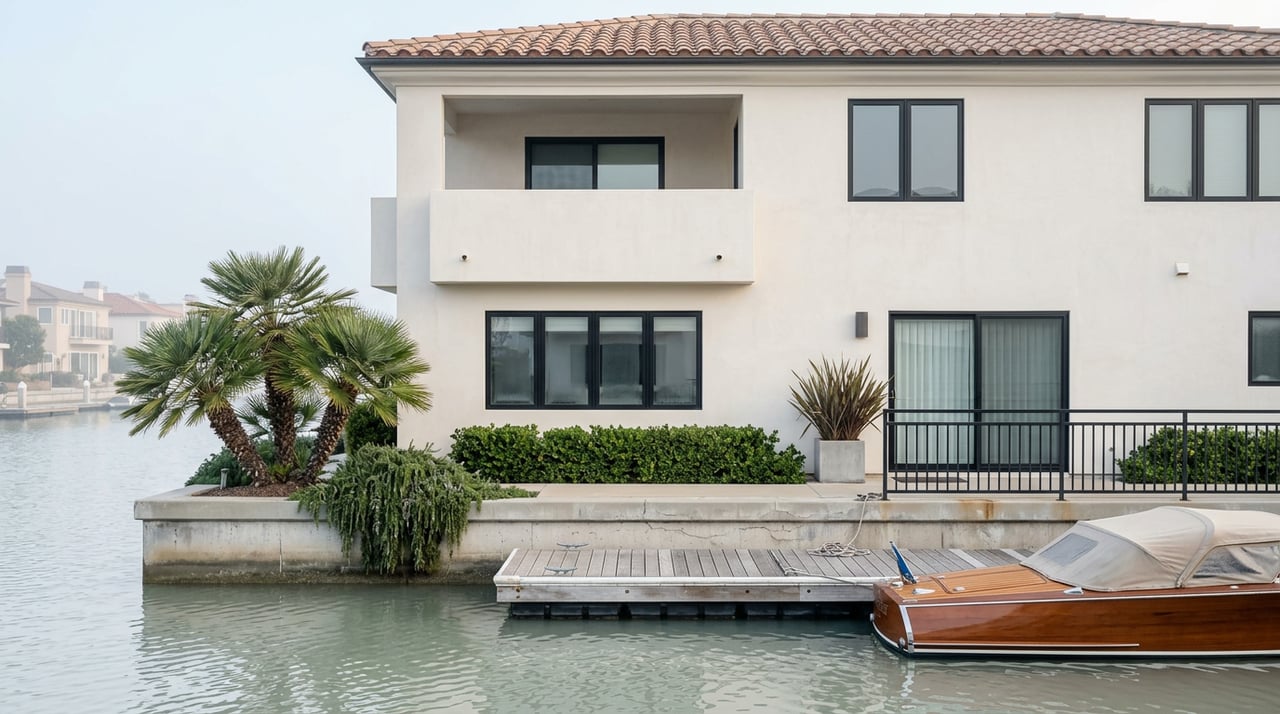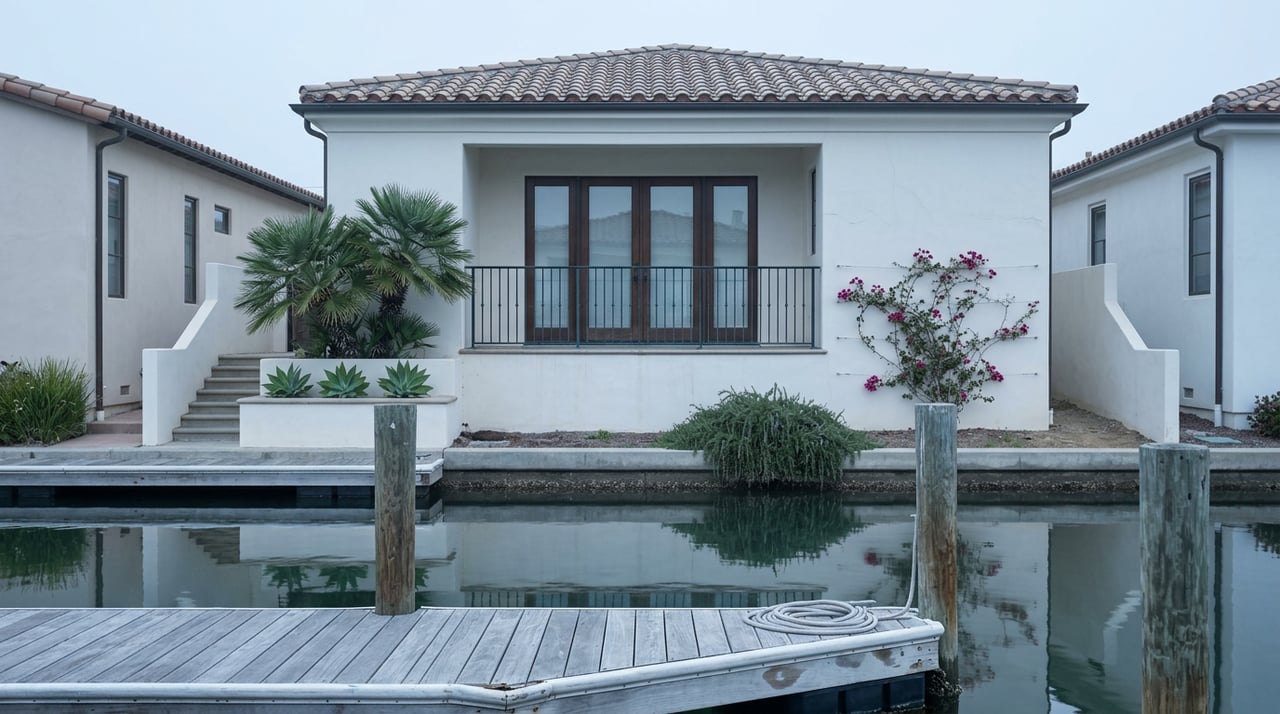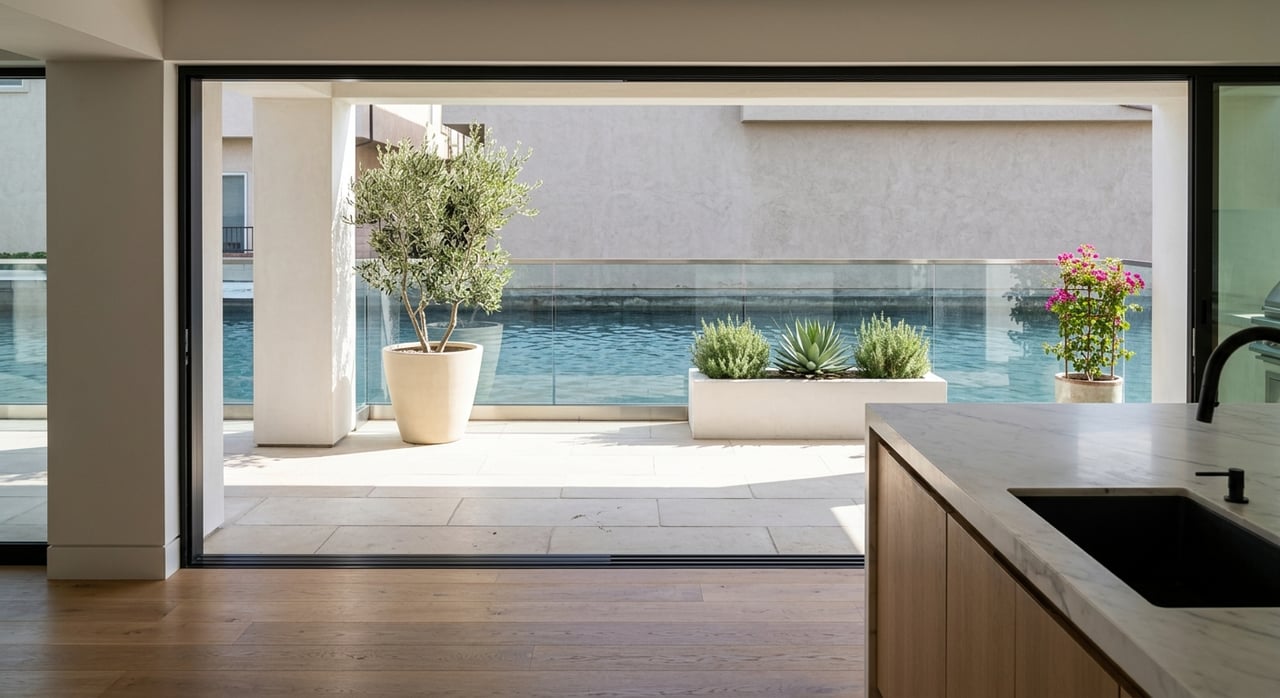
If you own or are considering a waterfront home in Newport Beach, leasing can look simple from a distance. In practice, this market blends rare coastal demand with a very specific local rulebook, especially for luxury homes near the harbor, islands, and Peninsula. When you understand how neighborhood, lease length, access, and compliance work together, you can make more confident decisions about income, flexibility, and long-term value. Let’s dive in.
Why Newport Beach Waterfront Leasing Stands Apart
Newport Beach has a naturally limited supply of true waterfront homes. The Balboa Peninsula is a three-mile strip between the harbor and the Pacific, and Newport Harbor stretches more than three miles through a system of islands and waterfront villages. That geography helps explain why well-positioned homes can attract strong leasing interest.
The setting also shapes the leasing experience in ways that are unique to this market. Newport Beach includes more than six miles of ocean beaches, two piers, and a harbor environment that stays especially active from April through November. For many tenants, the appeal is not just the residence itself, but also the ability to step into a waterfront lifestyle with easy access to the bay, beach, dining, and marina activity.
Key Waterfront Neighborhoods to Know
Balboa Peninsula
The Balboa Peninsula is one of the most recognizable leasing environments in Newport Beach. It is bordered by Newport Harbor on one side and the Pacific Ocean on the other, which gives many properties strong lifestyle appeal for beach- and boating-oriented tenants.
This area can be especially attractive for seasonal leasing because of its proximity to the sand, harbor activity, and walkable surroundings. The city also operates the free Balboa Peninsula trolley on summer weekends and holidays, which can matter in a location where access and parking are constant considerations.
Balboa Island and Harbor Islands
Balboa Island remains one of Newport Beach’s most established waterfront enclaves, and the broader harbor-island cluster includes places such as Newport Island, Little Balboa Island, Collins Island, Harbor Island, Lido Isle, and Linda Isle. These areas often appeal to tenants who want a quieter bayfront setting with direct access to the harbor environment.
For luxury leasing, island locations can carry a premium because they offer a distinct sense of place and limited inventory. Still, lease strategy should always account for the property’s specific access, parking, and any community rules that may affect rental use.
Lido Marina Village and Lido Isle
Lido Marina Village and nearby Lido Isle bring a marina-adjacent lifestyle that feels polished and highly connected to the harbor. Dining, retail, and waterfront activity help support demand from tenants looking for a turnkey coastal stay with an easy, walkable rhythm.
These areas often appeal to tenants who value convenience as much as the home itself. In luxury leasing, that combination of waterfront setting, lifestyle access, and neighborhood identity can be a meaningful pricing factor.
Mariner’s Mile
Mariner’s Mile adds another layer to Newport Beach’s waterfront leasing map. Known for its marina-oriented setting and waterfront activity, it can appeal to tenants who prioritize boating access and a more active harbor connection.
For owners, this kind of location can support a targeted leasing strategy. The right tenant may be drawn less by beach proximity and more by dock, marina, and harbor utility.
Who Typically Leases These Homes
Luxury waterfront leasing in Newport Beach usually attracts a few common tenant types. Seasonal demand is likely to include beach- and boating-oriented visitors, second-home users, families, and executives seeking extended stays in a turnkey setting. That pattern reflects the city’s harbor, beach, ferry, trolley, dining, and recreation infrastructure.
Annual leasing often fits a different owner objective. If you want more predictable occupancy, lower turnover, and less exposure to short-term operating rules, a longer lease can offer a simpler path. This can be especially relevant if your property sits in an HOA community, if a short-term lodging permit is unavailable, or if you prefer a more streamlined landlord role.
Short-Term vs. Annual Leasing
Choosing the right lease horizon is one of the most important decisions you can make. In Newport Beach, that choice affects not only income structure, but also compliance, management intensity, and overall risk.
| Lease Type | Potential Benefits | Key Considerations |
|---|---|---|
| Short-term, 30 days or less | May capture seasonal demand and premium timing during active harbor months | Requires city permit and business license where eligible, includes 10% transient occupancy tax, and involves stricter operating rules |
| Annual lease | More predictable occupancy and lower turnover | May offer less upside during peak seasons, but usually reduces operational complexity |
Short-term lodging in Newport Beach is defined as stays of 30 days or less. Owners or agents renting qualifying properties in certain residential zones need both a short-term lodging permit and a business license. The city also states that no new permits are being issued while the active permit cap remains at 1,550, so eligibility and availability should never be assumed.
Why Location Details Drive Rent
In a luxury waterfront market, broad labels like “bayfront” or “walk to the beach” only go so far. Tenants are often comparing specific features that affect daily use of the home.
Dock access, parking, and walkability are especially important in Newport Beach. Parking can be constrained in many waterfront areas, and some city lots, including the Balboa Pier lot, require payment 24 hours a day. In practical terms, a residence with easier parking or stronger walkability may compete better than a similar home with more friction around access.
Seasonal timing matters too. Newport Harbor is especially active from April through November, so owners often weigh whether to align a leasing calendar with that stronger period of waterfront activity. For some properties, a summer-heavy strategy may be the best fit. For others, stability over a longer term may better support the owner’s goals.
The Local Rules Owners Need to Understand
Permit Eligibility Is Address-Specific
Not every waterfront property should be treated as short-term-lodging eligible. Newport Beach says short-term lodging is limited to certain residential districts, and eligibility is tied to the property address. Before any marketing begins, owners should confirm whether the home qualifies under the city’s rules.
This matters because the city’s system is not only regulated, but also capped. If your property is not eligible, or if permit availability is restricted, your leasing strategy may need to shift toward longer-term occupancy.
Taxes, Fees, and Deadlines Matter
For short-term leases, the income picture should be modeled carefully. Newport Beach imposes a 10 percent transient occupancy tax, and the city’s fiscal year 2025-2026 fees are $300 for an initial permit and $336 for renewal. Renewals are due October 31.
Those costs may not define the investment on their own, but they should be part of your planning. In luxury leasing, a polished presentation should always be matched by disciplined operational underwriting.
Operating Compliance Is Not Optional
Newport Beach requires separate trash, recycling, and organics streams under SB 1383. The city says citations can begin at $1,000 per violation if guests do not sort waste correctly. For short-term owners, that means guest instructions and house operations need to be clear, practical, and easy to follow.
The city also highlights spring break and summer holidays as high-risk periods for large gatherings, noise, alcohol-related issues, fireworks, and short-term-lodging violations. Within Safety Enhancement Zones, fines are tripled. Newport Beach also states that eight or more persons at a residential unit can qualify as a Loud or Unruly Gathering.
For luxury homes, this is more than a legal issue. It is also a brand and asset-protection issue. Guest screening, parking management, quiet-hours enforcement, and neighbor relations all play a central role in protecting the property and the ownership experience.
HOA Rules Can Change the Strategy
City permission is only one layer of the leasing picture. If your home is in a common interest development, HOA rules may separately restrict or prohibit transient or short-term rentals of 30 days or less under California Civil Code 4741. Newport Beach also instructs owners to review community rules and confirm requirements with the HOA before advertising or applying for licenses and permits.
That is why luxury leasing strategy should start with documents, not assumptions. A waterfront address may appear ideal for seasonal rental demand, but the actual use case depends on both city rules and community restrictions.
Leasing as a Hold Strategy
For some owners, leasing is not just about current income. It is a way to hold a scarce coastal asset while maintaining flexibility for a future sale or personal use.
The broadest current public benchmark in the area is the Anaheim-Santa Ana-Irvine metro house price index. FHFA data reported through FRED shows the index at 570.61 in Q4 2025, up from 557.18 in Q4 2024, or roughly 2.4 percent year over year. That does not mean every waterfront home will perform the same way, but it does support the case for leasing as a strategy that keeps you exposed to a coastal market that has continued to appreciate.
Owners should also remember that short-term lodging permits are not automatically transferred with title. Newport Beach says transfer timing differs for purchasers, heirs, and certain entities. If future sale planning is part of your decision, permit status and transfer rules should be reviewed early.
How to Approach Luxury Leasing Well
The most effective luxury leasing plans usually begin with a simple question: what outcome matters most to you? The answer may be seasonal income, lower management burden, privacy, long-term asset hold, or flexibility ahead of a future sale.
From there, a strong strategy often includes:
- Confirming city eligibility for the intended lease type
- Reviewing HOA rules before marketing the property
- Evaluating dock access, parking, and walkability as pricing drivers
- Deciding whether short-term or annual leasing better matches your goals
- Preparing clear operating systems for guest behavior, waste sorting, and quiet use
- Considering how permit status may affect future transfer or sale planning
In a market as nuanced as Newport Beach, luxury leasing works best when it is treated as a tailored asset strategy, not a one-size-fits-all rental decision.
If you are weighing whether to seasonally lease a waterfront home, pursue a longer-term tenant, or position a property for a future sale, Steve High & Evan Corkett offer discreet, market-informed guidance shaped by Newport Beach’s waterfront micro-markets.
FAQs
What counts as short-term lodging in Newport Beach waterfront homes?
- In Newport Beach, short-term lodging means a rental stay of 30 days or less.
Do all Newport Beach waterfront properties qualify for short-term leasing?
- No. The city says eligibility is address-specific, limited to certain residential districts, and subject to local permit rules and the active permit cap.
What extra costs apply to short-term luxury leasing in Newport Beach?
- Owners should account for the city’s 10 percent transient occupancy tax, permit fees, and renewal timing, along with operating costs tied to compliance.
Can an HOA restrict short-term leasing in a Newport Beach waterfront community?
- Yes. HOA rules and CC&Rs may restrict or prohibit transient or short-term rentals of 30 days or less, so those documents should be reviewed before advertising a property.
What features matter most for luxury tenants in Newport Beach waterfront neighborhoods?
- Dock access, parking, walkability, and proximity to harbor or beach amenities are likely to influence tenant interest and willingness to pay.
Do short-term lodging permits transfer automatically when a Newport Beach property is sold?
- No. Newport Beach says permits are not automatically transferred with title, and transfer timing depends on the type of ownership change.