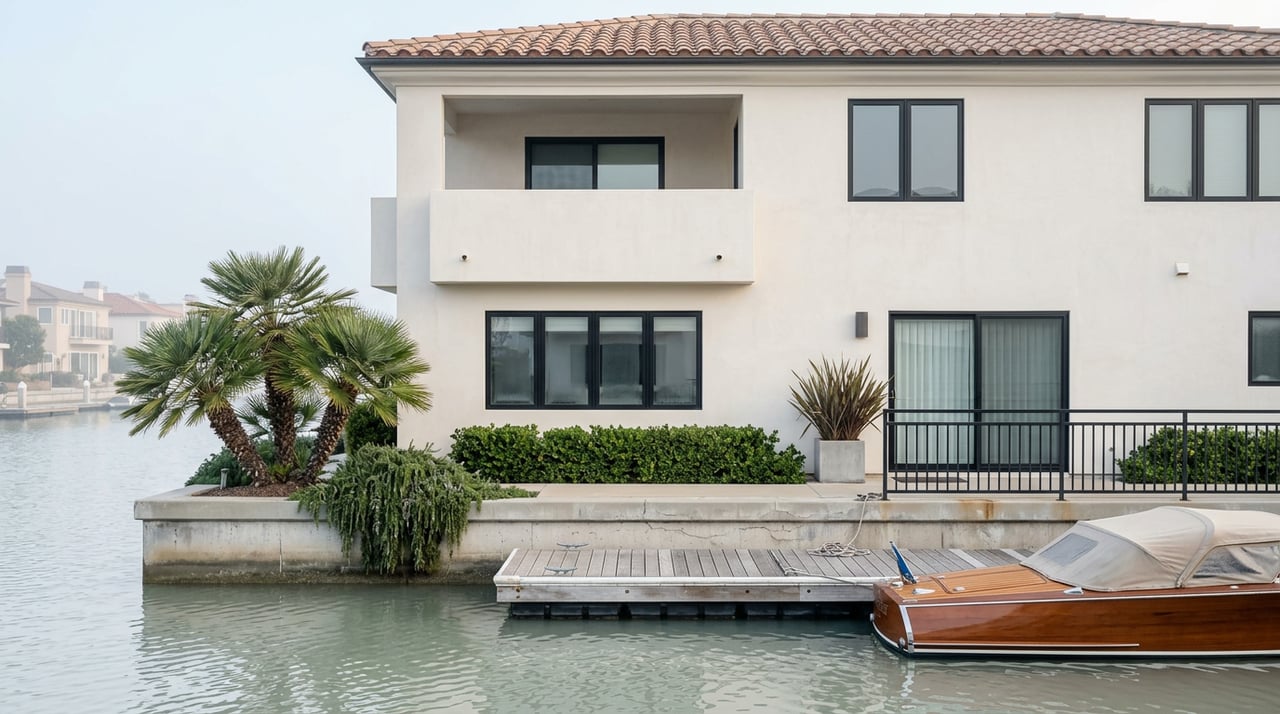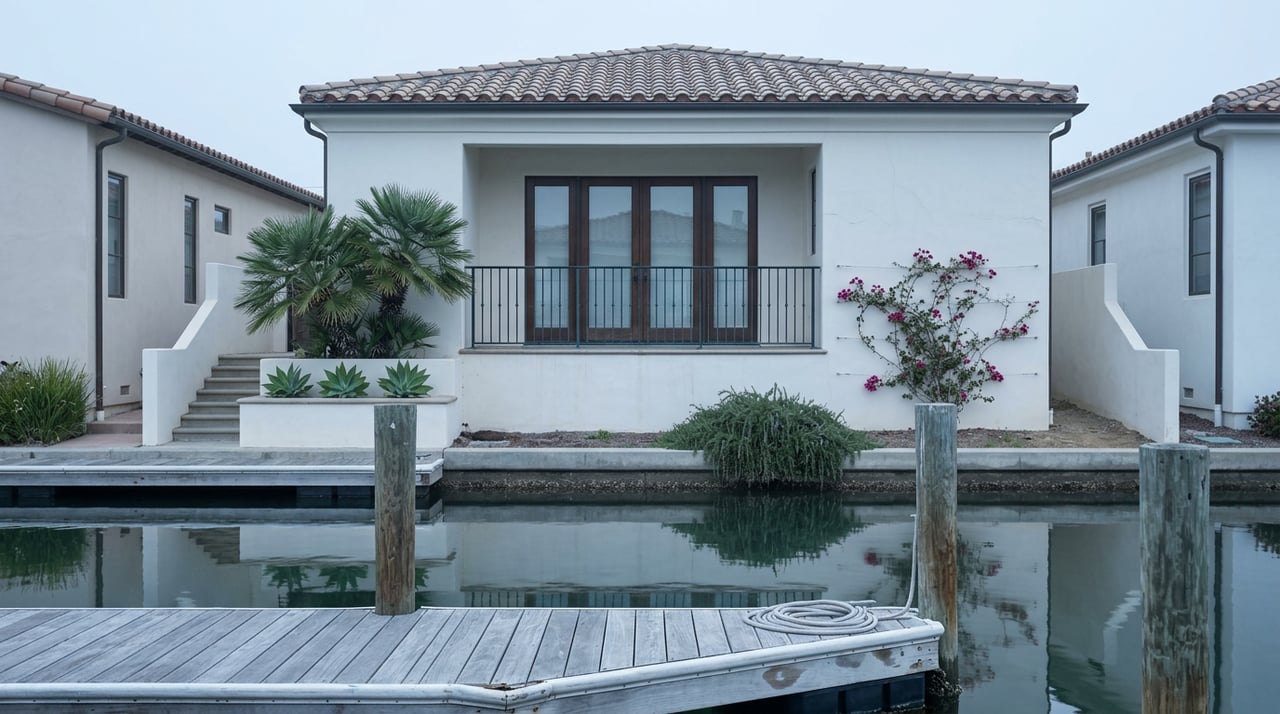
If you know Newport Beach, you know not every waterfront address works the same way. Beacon Bay stands out because it offers a quiet lower-bay setting, a small-scale residential feel, and a leasehold structure that buyers need to understand clearly before they move forward. If you are considering this enclave, or comparing it to nearby bayfront options, this guide will help you understand what Beacon Bay is, how it works, and what questions matter most. Let’s dive in.
What Beacon Bay Is
Beacon Bay is a very small waterfront enclave in lower Newport Bay, located between Promontory Bay and the Balboa Island Channel. City planning materials trace the area to harbor-improvement work in the 1920s, with later development in the 1930s as a 72-unit residential subdivision that included 35 homes on about 4 acres of State tidelands.
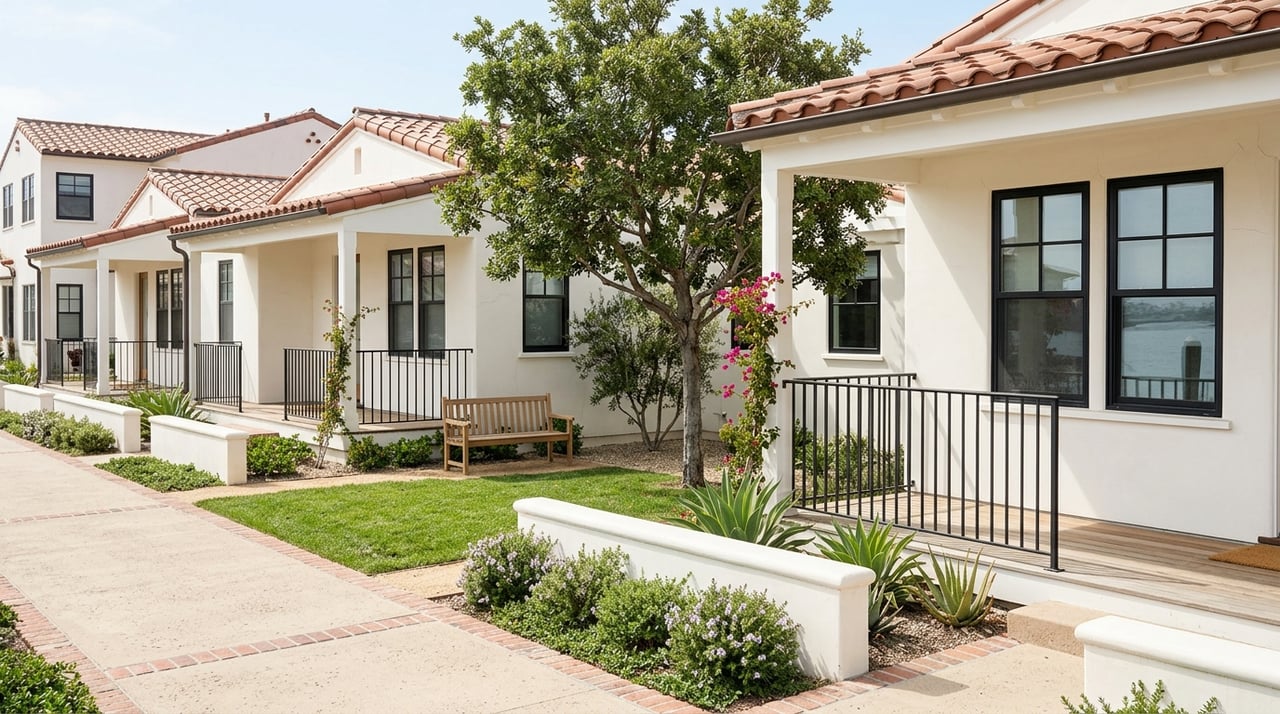
That history helps explain why Beacon Bay feels different from other Newport Beach waterfront settings. It is compact, residential, and low-key, with a layout that reads more like a tucked-away enclave than a destination district with constant through traffic.
Why Beacon Bay Feels So Quiet
One of Beacon Bay’s defining traits is scale. With a small footprint and a limited number of homes, it tends to feel more contained and more controlled than larger waterfront neighborhoods nearby.
That does not mean it is isolated. Beacon Bay sits within Newport Harbor’s lower-bay cluster, near Balboa Island and Harbor Island Drive, so you are still very much in the harbor core of Newport Beach.
For buyers who want a harbor lifestyle without the busier feel of more active bayfront corridors, that positioning can be a meaningful advantage. You get proximity to the water and to familiar Newport Beach landmarks, but in a setting with a more sheltered rhythm.
Leasehold Ownership Explained
The most important thing to understand about Beacon Bay is that it is leasehold, not fee simple. In plain terms, buyers are purchasing the home and the leasehold interest, not the underlying land itself.
Official materials show that the City administers Beacon Bay on behalf of the State under a public-trust framework tied to harbor, beach, marina, and open-space purposes. The City leased residential lots to individual homeowners, while the common area is leased separately to the Beacon Bay Community Association.
This is a major difference from a conventional waterfront subdivision. If you are comparing Beacon Bay with other Newport Beach bayfront properties, you should treat the ownership structure as one of the first points of diligence, not a footnote.
How the Land Lease Works
State Lands Commission materials provide the clearest summary of Beacon Bay’s lease economics. The reported lease form states that rent is calculated at 2.5% of appraised value, or, in the event of a sale, 2.5% of the total consideration paid, including improvements and structures.
The same materials say annual rent may be adjusted by CPI, the City may reappraise at year 30, and the lease form is a net lease. For buyers, that means the financial picture is not just about purchase price. You also need to understand the current rent, future adjustments, and how the lease terms apply to the specific parcel you are considering.
Because leasehold terms affect both cost and financing, early review matters. A buyer who is comfortable underwriting leasehold economics may see Beacon Bay as a compelling niche opportunity, while a buyer who wants the simplicity of land ownership may prefer a fee-simple alternative.
Lease Expiration Matters
One area requires special care: lease end dates. Official published sources do not present one identical end date across the board.
A 2012 State Lands Commission item says the existing leases were set to expire on July 1, 2044, while the City’s later coastal land-use plan summarizes the current lease as running to June 27, 2043. The practical takeaway is simple: you should verify the recorded lease for the exact parcel rather than rely on a single blanket date for all Beacon Bay homes.
That step is especially important if you are evaluating financing, long-term hold strategy, or resale planning. In a leasehold community, the details attached to the specific lot matter.
Common Areas and Public Access
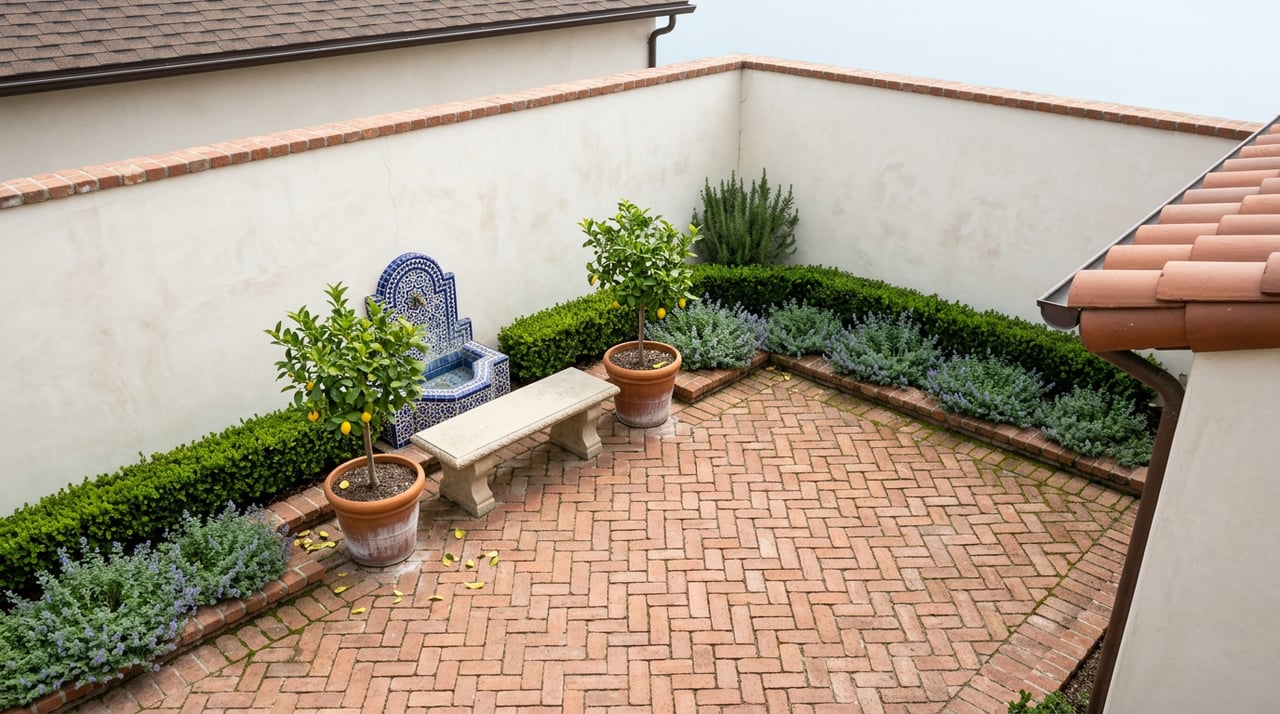
Beacon Bay’s appeal is not limited to private homes. The common area includes streets, walkways, beaches, landscaped areas, and tennis courts, according to the common-area lease materials.
At the same time, it is important to describe the beach access accurately. Official lease documents say the beaches and beach approaches must remain accessible to the public at all times.
That means Beacon Bay should not be presented as a purely private beach community. A more accurate description is a residential waterfront enclave with shared common areas and public-access obligations that come from its tidelands framework.
Where the Beach Access Is
The City’s coastal plan identifies Beacon Bay Beach, also called Lot I, and notes that it is reached from Beacon Bay Drive through walkways at the Cape Cove, Shelter Cove, and Reef Cove street ends. For anyone trying to picture the physical layout, that helps explain how the neighborhood connects to the water.
This setup reinforces Beacon Bay’s distinct character. It combines private residences with landscaped common areas, walkable beach approaches, and a legal framework that preserves public access.
Beacon Bay Compared With Nearby Bayfront Options
For many buyers, the real question is not whether Beacon Bay is attractive. It is whether Beacon Bay is the right fit compared with nearby fee-simple bayfront choices.
A nearby example on Balboa Island has been marketed as fee simple, which highlights the difference in ownership structure even within a similar harbor lifestyle setting. In broad terms, Beacon Bay trades land ownership for a city land lease, more prescribed common-area and public-access rules, and a narrower enclave feel.
That tradeoff may be worthwhile if your top priorities are lower-bay location, waterfront atmosphere, and a small community setting. It may be less appealing if you want maximum control of the land interest or the simplest possible ownership profile.
Who Beacon Bay Tends to Suit
Beacon Bay tends to make the most sense for buyers who value location and lifestyle enough to work through the land-lease structure carefully. That often includes end users or second-home buyers who want a tucked-away harbor setting and are comfortable doing detailed diligence upfront.
It can also appeal to buyers who appreciate the combination of waterfront living and community-scale common areas. If you like the idea of lower-bay access, a compact setting, and a less public-facing feel than some other Newport Beach waterfront addresses, Beacon Bay may deserve a closer look.
On the other hand, some buyers will decide early that fee-simple ownership is the better match. That is not a negative on Beacon Bay. It simply reflects how important ownership structure is in this micro-market.
What Sellers Should Understand
If you own in Beacon Bay, clarity matters. Buyers need a clean explanation of what they are acquiring, how the lease works, what the common-area framework covers, and what documents they should review.
That transparency is often a strength, not a weakness. In specialized waterfront enclaves, well-prepared sellers are usually in a better position to attract serious, informed buyers who already understand the value of the location.
For a property type like this, strong representation means more than marketing the view. It means presenting the structure of the opportunity with precision and confidence.
Why Local Guidance Matters
Beacon Bay is the kind of micro-market where broad waterfront knowledge is not enough. Buyers and sellers benefit from guidance that is specific to Newport Beach, sensitive to ownership structure, and grounded in the details that can shape value and timing.
If you are weighing Beacon Bay against other bayfront options, or preparing to position a home here for sale, a clear strategy can help you compare opportunities more intelligently. That is especially true when the decision turns on nuances like lease terms, harbor location, and buyer fit.
If you are considering a purchase or sale in Beacon Bay or anywhere along Newport Harbor, Steve High & Evan Corkett offer discreet, informed guidance shaped by deep Coastal Orange County waterfront experience.
FAQs
Is Beacon Bay in Newport Beach a fee-simple neighborhood?
- No. Official materials describe Beacon Bay as a leasehold residential enclave where homeowners hold the home and leasehold interest rather than fee-simple ownership of the underlying land.
Is the beach in Beacon Bay private or public?
- Official lease materials say the beaches and beach approaches in Beacon Bay must remain publicly accessible.
What does a buyer actually purchase in Beacon Bay?
- A buyer purchases the home and the leasehold interest tied to the parcel, not the underlying land itself.
How is land rent calculated for Beacon Bay homes?
- State Lands Commission materials say rent is calculated at 2.5% of appraised value or, upon a sale, 2.5% of the total consideration paid, including improvements and structures, with possible CPI adjustments and other lease terms that should be reviewed for the specific parcel.
What common areas are part of Beacon Bay?
- Official common-area lease materials identify streets, walkways, beaches, landscaped common areas, and tennis courts as part of Beacon Bay’s common area.
How long do Beacon Bay residential leases last?
- Published official sources differ, with references to 2043 and 2044, so you should verify the recorded lease for the specific Beacon Bay parcel you are considering.
How does Beacon Bay compare with nearby Balboa Island bayfront homes?
- A key difference is ownership structure. Beacon Bay is leasehold, while nearby bayfront properties may be offered as fee simple, even when the lifestyle and harbor setting feel similar.